
Glass skin vs matte skin are two opposite beauty trends dominating skincare and makeup right now. Glass skin focuses on a dewy, hydrated, almost reflective glow, while matte skin emphasizes a smooth, shine-free finish. In 2026, the trend is shifting toward a balanced, skin-first approach—but the winner depends on your skin type and lifestyle.
 Glass skin = hydrated, glowing, Korean-inspired look
 Matte skin = oil-free, smooth, long-lasting finish
 Trend shift: natural glow > heavy matte
 Best choice depends on your skin type
 Hybrid “soft matte glow” is trending now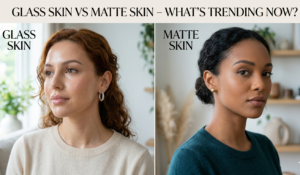
There was a time when everyone wanted that ultra-matte, powdery finish—you know, the kind that looked flawless in photos but felt like your skin couldn’t breathe.
Then suddenly, everything flipped.
Now it’s all about glow. Real skin. Hydration. That “I just drank 3 liters of water and slept 8 hours” vibe—even if you didn’t.
But here’s the thing…
Not everyone loves looking shiny. And not every skin type works with that glass-like glow.
So what’s actually trending right now?
Let’s break it down.
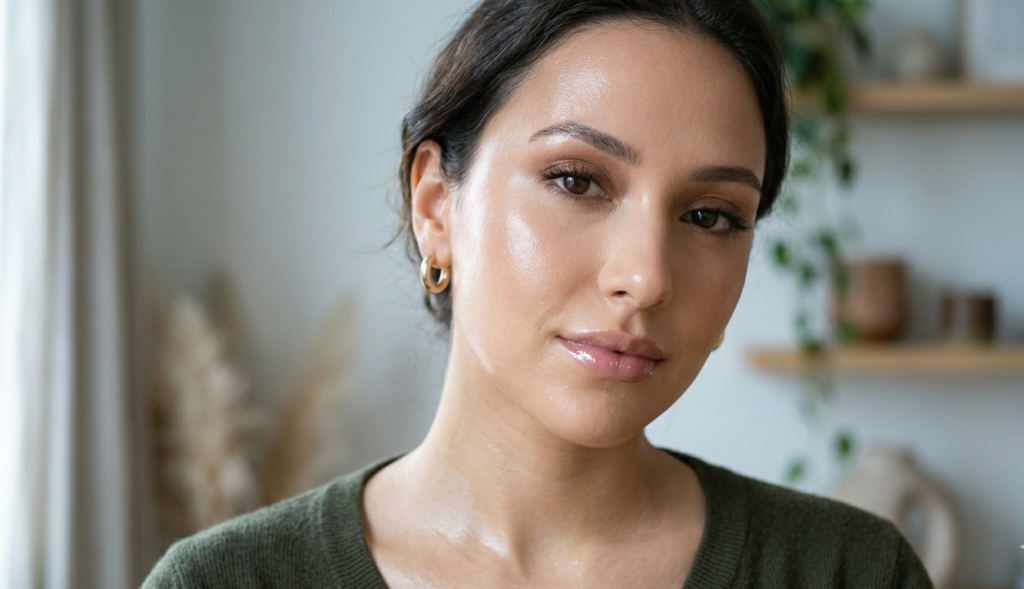
Glass skin is a skincare-driven trend focused on deeply hydrated, smooth, and radiant skin that reflects light like glass. It’s less about makeup and more about skin health.
This trend originally came from Korean beauty routines—and honestly, it changed how people think about skincare.
Instead of covering imperfections, it’s about improving your skin so much that you barely need makeup.
I remember trying a full glass skin routine for the first time—layering toner, essence, serum, moisturizer…
At first, it felt excessive.
But after a week? My skin actually looked healthier. Not perfect, but alive. That subtle glow hits differently.
| Step | Product Type | Purpose |
|---|---|---|
| 1 | Gentle Cleanser | Removes dirt without stripping |
| 2 | Exfoliator (2–3x/week) | Smoothens texture |
| 3 | Hydrating Toner | Preps skin |
| 4 | Essence | Deep hydration |
| 5 | Serum (Hyaluronic Acid/Vitamin C) | Glow boost |
| 6 | Moisturizer | Locks hydration |
| 7 | Sunscreen | Protects glow |
Matte skin is a makeup-focused look that reduces shine, controls oil, and creates a smooth, velvety finish. It’s especially popular for oily and acne-prone skin.
Despite the glow trend, matte isn’t going anywhere.
Why?
Because it works.
.

If you’ve ever attended a long event or worked a full day wearing makeup, you know this:
That glowing look? It can turn into sweat + oil real quick.
Matte makeup holds up better in those situations. That’s why professionals still rely on it.
The biggest difference is approach—glass skin focuses on skincare and hydration, while matte skin focuses on oil control and makeup finish.
Here’s a quick comparison:
| Feature | Glass Skin | Matte Skin |
|---|---|---|
| Finish | Dewy, radiant | Flat, shine-free |
| Focus | Skincare | Makeup |
| Best for | Dry/normal skin | Oily/acne-prone skin |
| Longevity | Medium | High |
| Trend Popularity | Rising | Stable |
In 2026, the trend is shifting toward natural, healthy-looking skin—making glass skin and hybrid finishes more popular than heavy matte looks.
But here’s the truth most blogs won’t tell you:
It’s not about choosing one anymore.
It’s about balance.
Think:
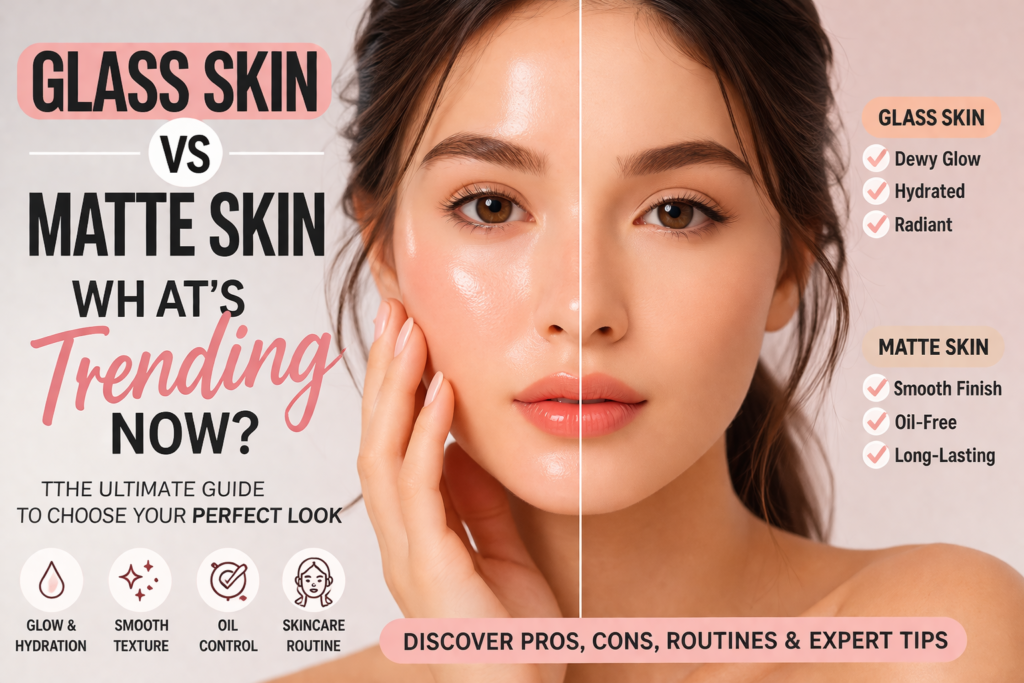
The best choice depends entirely on your skin type, environment, and daily routine.
Let’s break it down.
A friend of mine switched to glass skin products thinking it would fix everything.
But she had oily skin.
Within hours, her face looked overly shiny—not glowy.
That’s when it clicked:
Trends don’t replace skin type.
Yes—and that’s actually the smartest approach right now.
This is where most people are heading.
This gives you:
✔ Glow where it looks good
✔ Control where it matters
Pros:
Cons:
Pros:
Cons:
Here’s the truth…
People chase trends instead of understanding their skin.
I’ve seen this again and again.
Someone with oily skin forces a dewy look—and ends up frustrated.
Or someone with dry skin uses matte products—and their skin looks dull.
The real win?
Understanding your skin first. Then adapting trends.
Glass skin is more than a trend—it’s a shift toward healthier skin.
Matte skin is more than a look—it’s a practical solution.
But the future?
It’s somewhere in the middle.
Skin that looks real. Balanced. Healthy.
Not overly shiny. Not overly flat.
Just… right.
Yes, but it needs modification. Use lightweight, oil-free hydrating products and avoid heavy layering to prevent excessive shine.
No, but overuse of drying products can affect your skin barrier. Always prep with moisturizer and remove makeup properly.
Matte skin lasts longer, especially in humid conditions. Glass skin may require touch-ups throughout the day.
Yes, but consistency is key. Start with basic hydration steps before adding advanced products like essences or serums.
No, it’s primarily skincare-focused. Makeup is minimal and used only to enhance the natural glow.