A complete hair care routine for frizzy hair in India includes gentle cleansing (2–3 times a week), deep conditioning, weekly oiling, using sulfate-free products, minimizing heat styling, and protecting hair from humidity and pollution. Consistency with hydration-focused products and natural oils is key to controlling frizz and improving hair texture over time.

Let’s be honest—frizzy hair isn’t just a “hair type” problem in India. It’s environmental.
Humidity, hard water, pollution, and even the way we tie our hair daily… it all adds up.
I’ve seen this over and over—someone switches to a fancy shampoo, expects magic in 3 days, and then gives up. But here’s the truth:
Frizz is usually a moisture imbalance problem.
Not a “bad hair” problem.
Once you fix that, everything changes.
Wash frizzy hair 2–3 times a week using a gentle, sulfate-free shampoo to avoid stripping natural oils.
Here’s where most people mess up. Washing daily might feel “clean,” but it dries your hair out faster—especially with hard water.
What works better:
Real-life example:
A client I worked with in Delhi had extreme frizz. Turns out, she was washing her hair every day because of sweat. Once we reduced it to 3 times a week and added conditioning—her hair calmed down within 2 weeks.
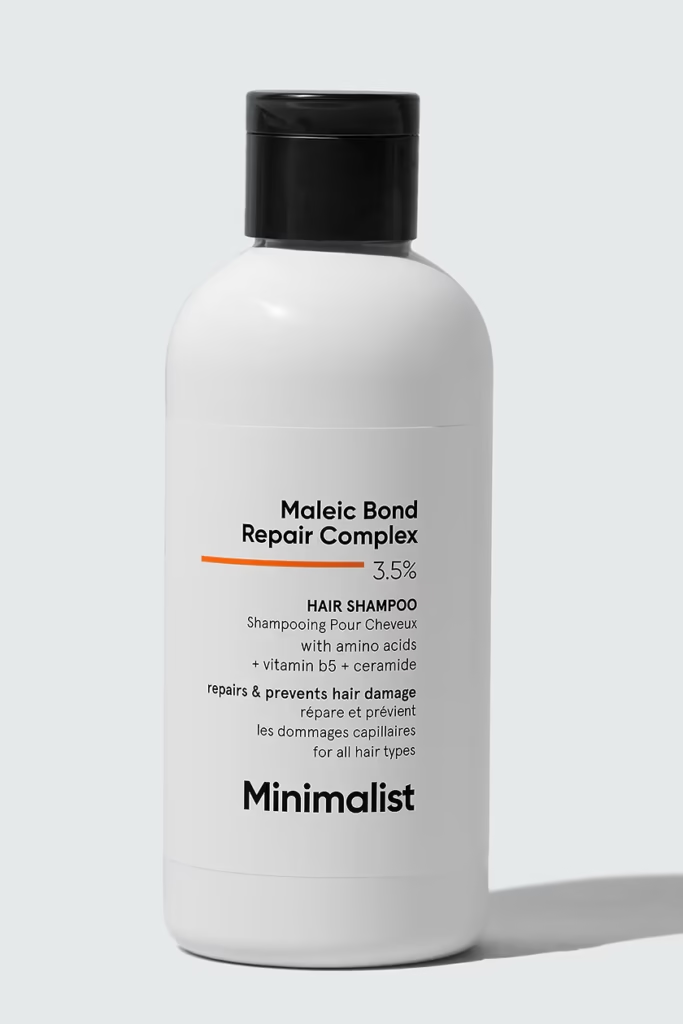
The best shampoo for frizzy hair is sulfate-free, hydrating, and enriched with ingredients like argan oil, keratin, or aloe vera.
Conditioning restores moisture, smooths hair cuticles, and reduces frizz instantly after washing.
If you skip conditioner… you’re basically inviting frizz.
Pro Tip:
Leave your conditioner on for at least 3–5 minutes. Most people rinse too quickly.
Bonus Trick:
Use the “squish to condish” method—it sounds weird, but it works. Gently press conditioner into wet hair to lock hydration.
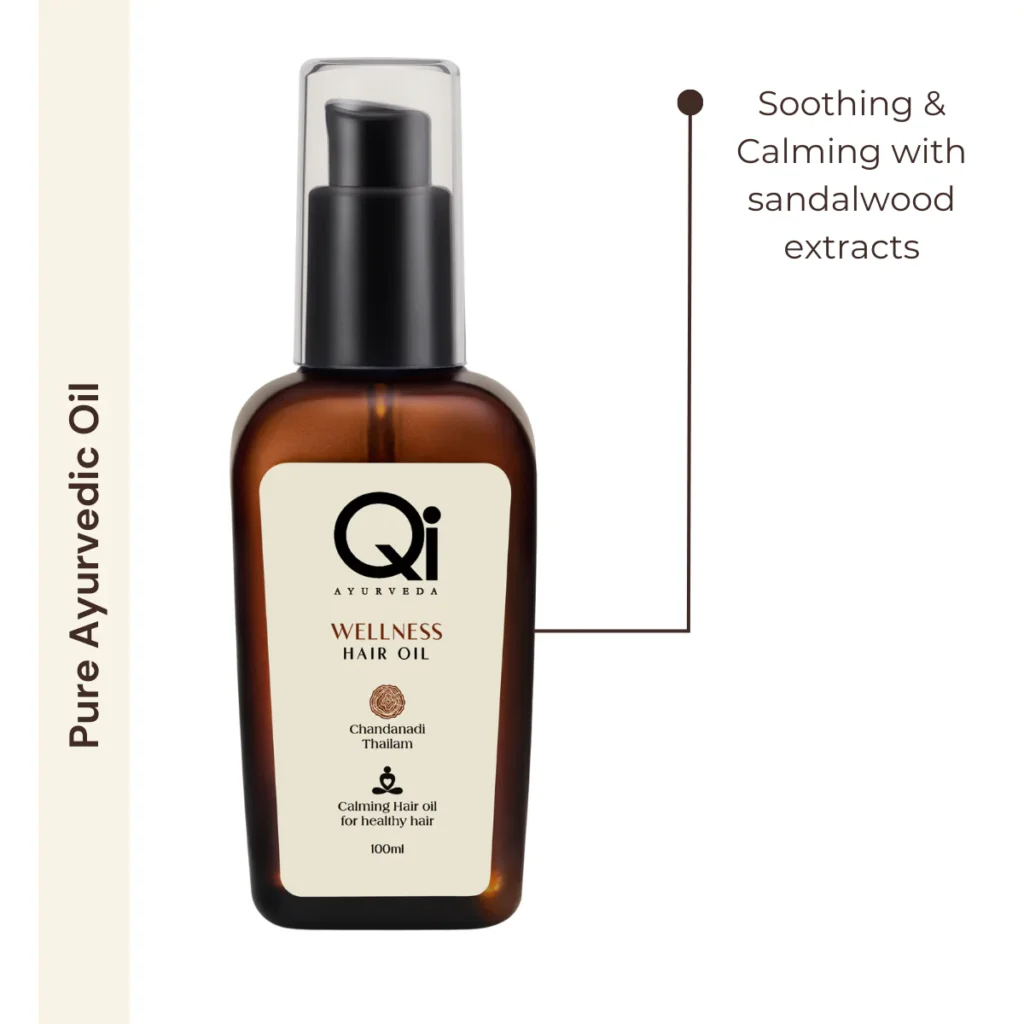
Apply hair oil 1–2 times weekly to deeply nourish and protect against dryness and environmental damage.
| Oil Type | Benefit |
|---|---|
| Coconut Oil | Deep penetration, reduces protein loss |
| Argan Oil | Smoothness + shine |
| Almond Oil | Softens and strengthens |
| Castor Oil | Promotes thickness |
How to Apply:
Here’s the truth:
People often say oiling doesn’t work. But usually, they’re either using too much… or not washing properly after.
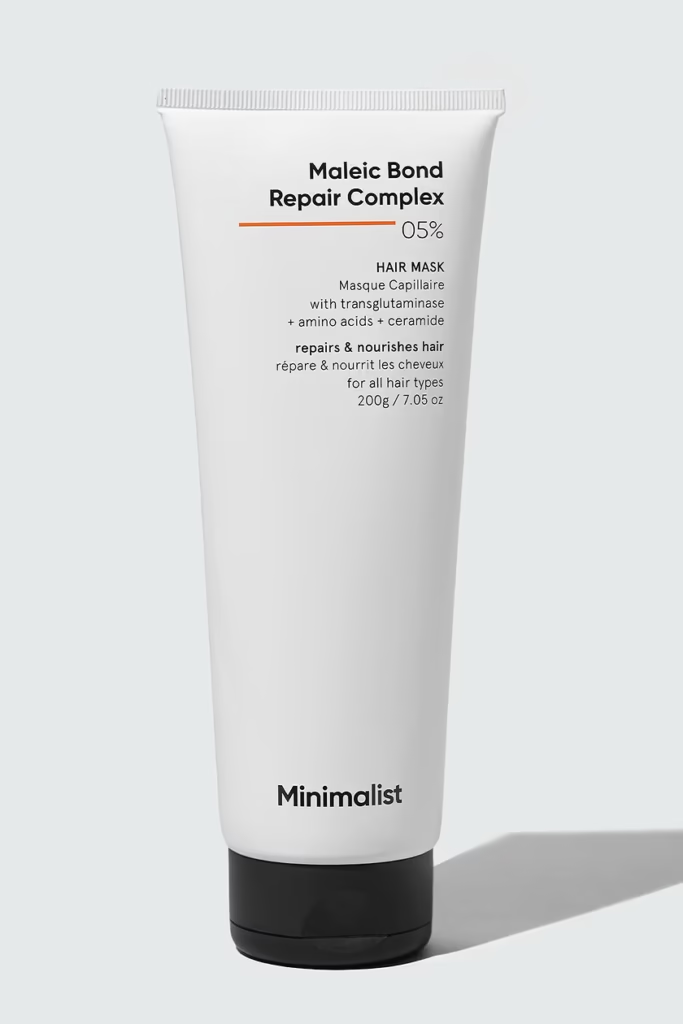
Use a deep conditioning mask weekly to repair damage and restore hydration in frizzy hair.
Apply for 20–30 minutes before washing.
Why this works:
It hydrates, smooths, and adds shine—without chemicals.
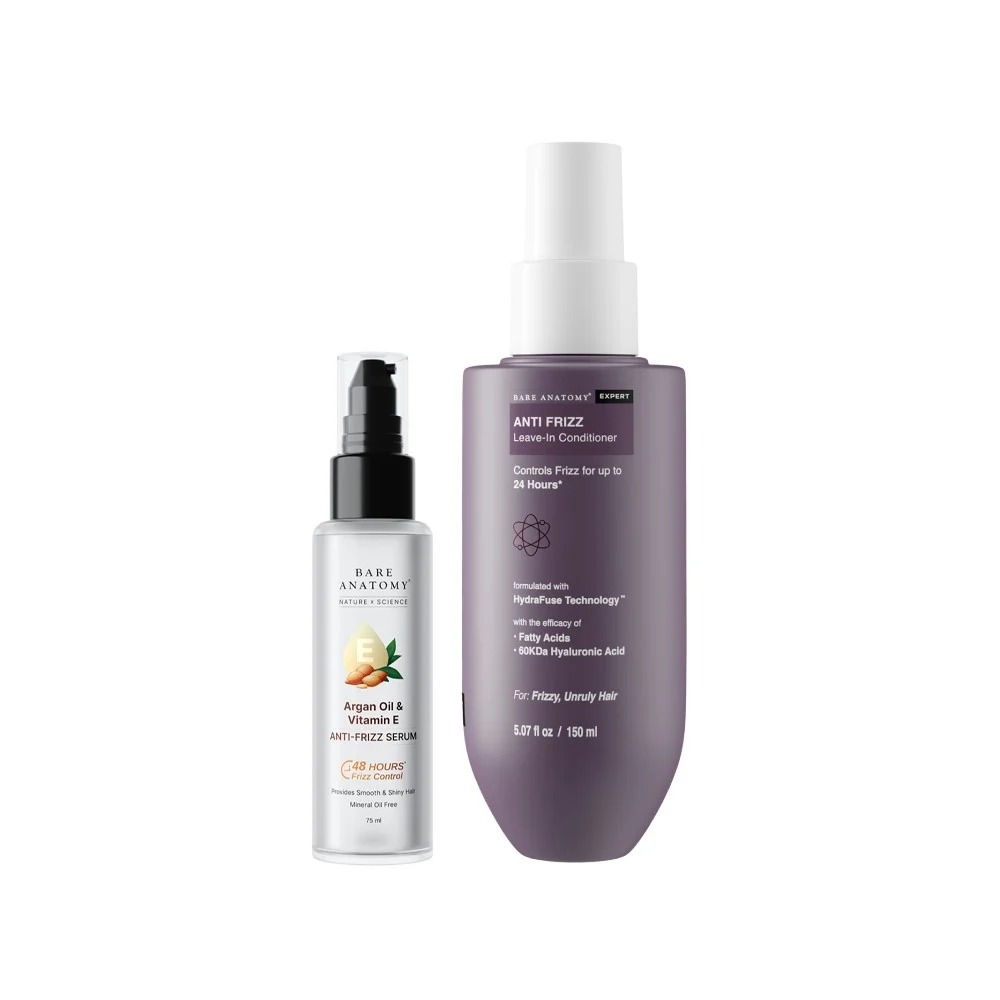
Leave-in conditioners and serums help seal moisture and protect hair from humidity throughout the day.
This is where most routines fall apart.
You wash your hair, condition it… and then do nothing after.
That’s why frizz comes back in hours.
Quick tip:
Apply on damp—not dripping wet—hair.
Air dry or use a microfiber towel to prevent friction and reduce frizz.
Small change. Big difference.
Use minimal heat styling and opt for protective hairstyles to reduce damage and frizz.
Here’s something people ignore:
Tight ponytails + rubber bands = breakage + frizz.
Lorem ipsum dolor sit amet, consectetur adipiscing elit. Ut elit tellus, luctus nec ullamcorper mattis, pulvinar dapibus leo.
Protect hair at night using silk pillowcases or braiding to prevent friction and moisture loss.
This alone can reduce morning frizz by 50%.
Cover hair and use protective products to shield against humidity, dust, and UV damage.
Reality check:
Even the best routine fails if you don’t protect your hair outside.
 Wash hair 2–3 times weekly Use sulfate-free shampoo Condition every wash Oil hair weekly Use leave-in + serum Avoid heat styling Protect hair from pollution Follow a night routine
.
Usually 2–4 weeks with consistent care. Hair needs time to rebuild moisture balance.
Not really. Serum works on the surface, while oil nourishes from within.
Yes, very likely. Consider using a water filter or clarifying shampoo once a month.
No. Consistency matters more than price.
If you’ve been struggling with frizzy hair in India, let me say this clearly—you’re not alone, and you’re definitely not doing anything “wrong.”
Frizz isn’t a flaw. It’s just your hair reacting to its environment.
But here’s the shift that makes all the difference…
Stop chasing quick fixes.
Start building a simple, consistent routine.
You don’t need 10 products. You don’t need salon treatments every month. What you actually need is:
That’s it.
I’ve seen people completely transform their hair—not by spending more money, but by sticking to the basics consistently for a few weeks.
And yes, there will still be bad hair days. Especially during monsoon. That’s normal.
But over time?
Your hair becomes softer. Easier to manage. Less frustrating.
Start with just one change.
Maybe switch your shampoo.
Maybe add a conditioner.
Maybe try oiling this weekend.
Don’t overcomplicate it.
Because the truth is—healthy hair isn’t built in a day.
It’s built in small, repeatable habits.
Your hair doesn’t need perfection.
It needs care.
And once you start treating it that way, everything changes.