
— Fashion & Culture
90s Fashion Comeback:
Why Gen Z Is Obsessed
Again
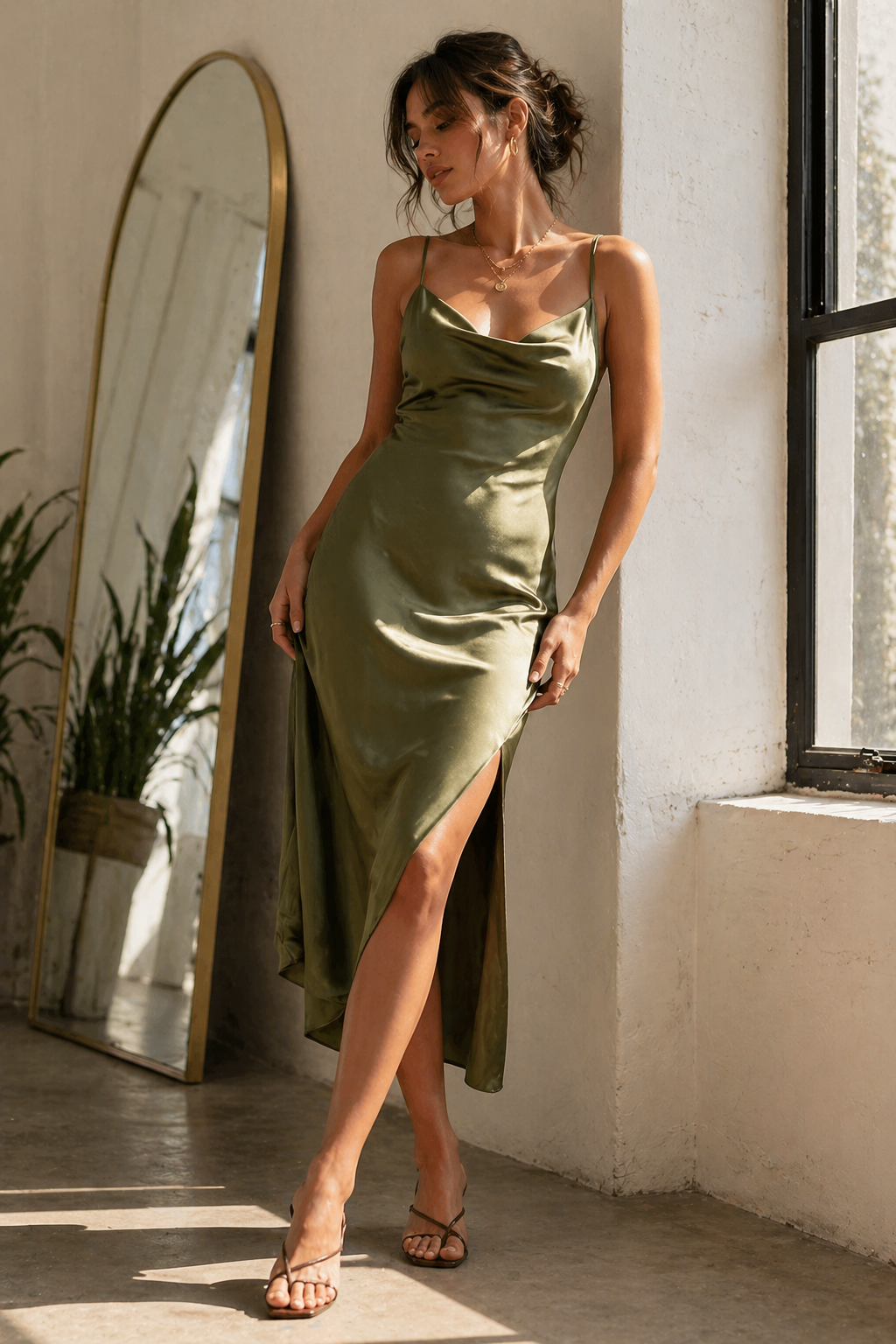
Baggy jeans, slip dresses, chunky sneakers, and a decade’s worth of identity politics — all back, and louder than ever. Here’s why it actually makes sense.

It was a Tuesday afternoon, and I was standing in a thrift store in Bandra, sweating slightly, holding a pair of high-waisted wide-leg jeans that looked like they’d been cut from a late-90s Gap catalogue. The girl next to me — maybe 19, maybe 20 — grabbed the same style in a darker wash without blinking. She had a butterfly clip in her hair. I almost cried.
I didn’t expect this, but watching Gen Z fall headfirst into 90s fashion has been one of the more emotionally complicated experiences of my adult life. Not bad complicated. Just — a lot. Because here’s the thing: this isn’t some detached trend board thing. For me, the 90s is muscle memory. It’s the smell of a denim jacket left too long in the sun. It’s the very specific anxiety of trying to make a slip dress work with a baby tee underneath. And now it’s everywhere — TikTok, street corners, mall stores — worn by people who weren’t even born when Destiny’s Child was on Total Request Live.
So I started paying attention. Not just to the clothes, but to the why. Why this decade? Why now? Why are kids who grew up with smartphones desperately thrifting flannel shirts and platform sneakers? The answers are more interesting — and more human — than just “trends are cyclical.”
Wait, Did the 90s Fashion Ever Actually Leave?
Let me be honest: fashion people were whispering about the 90s revival as far back as 2014. Normcore happened. Then logomania came back. Then the chunky sneaker quietly crept onto every fashion week runway around 2017 and never really left. But what’s happening now feels different — less runway-down and more ground-up.
The difference this time is ownership. When Balenciaga put out ugly sneakers, it was ironic luxury. When a 21-year-old spends ₹400 at a Sunday flea market on a Champion hoodie that’s slightly too big, it’s identity. The young people wearing this stuff now aren’t borrowing an aesthetic from a designer — they’re building a whole philosophy around it.
01
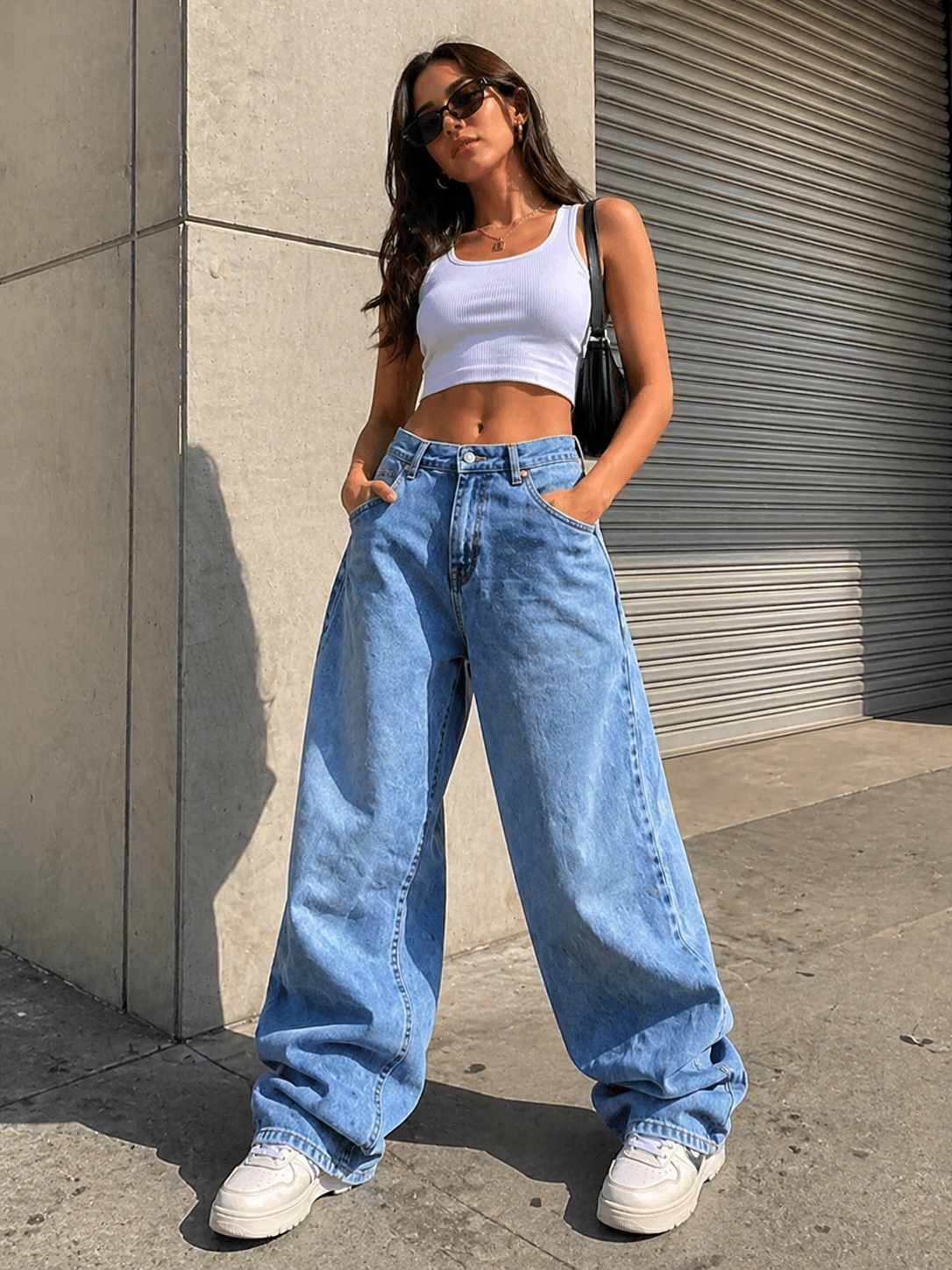
Baggy Denim
Wide-leg, high-waisted, slightly distressed. The anti-skinny-jean generation is here and they mean business. Thrift stores cannot keep them in stock.
02
03
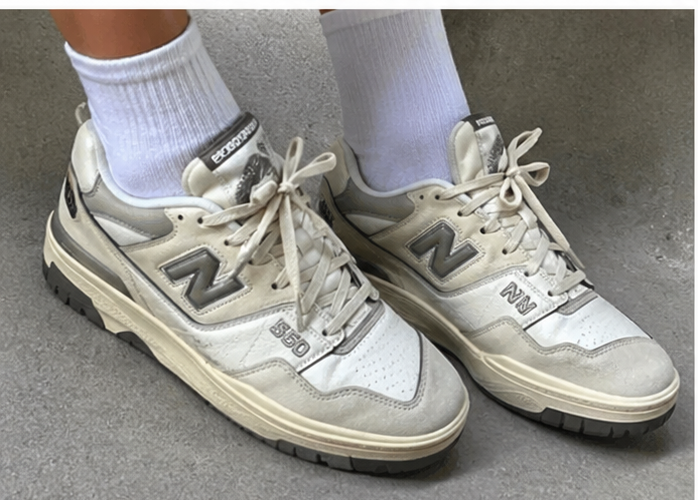
Fila, New Balance 550s, old-school Reeboks — the dad shoe has shed the irony and become the default choice.
04
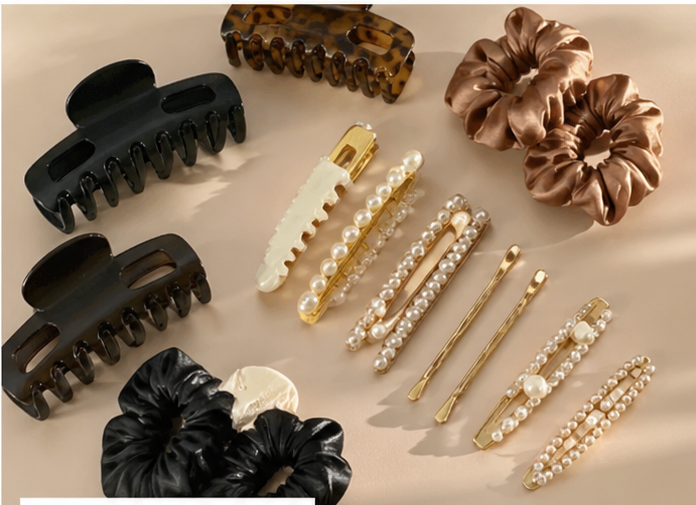
Butterfly clips, claw clips, scrunchies, and tiny jaw clips are back in full force. Every café I visit has at least three of them in sight.
The Nostalgia That Isn't Theirs — And Why That's the Point
Here’s what fascinates me most: Gen Z is nostalgic for a decade they didn’t live. Born roughly between 1997 and 2012, most of them were either babies or not yet here when the 90s were happening. So what are they nostalgic for?
I think the honest answer is — they’re nostalgic for simplicity they never had. They grew up with the internet already fully formed, social media as infrastructure, and a constant, low-level hum of information overload. The 90s, filtered through old films and reruns and their millennial older siblings’ stories, looks like a time when things were slower. Less surveilled. Less performative. You wore a flannel shirt because it was comfortable, not because you were building a personal brand.
There’s something deeply poignant about that. They’re not romanticising a past they remember — they’re reaching toward a vibe that feels like relief.
They’re not nostalgic for a decade they missed. They’re nostalgic for slowness. For a version of self-expression that didn’t need an audience.
The Mini Scenario: A Sunday Morning at a Flea Market
Last month, I was at the Colaba Causeway Sunday market at around 9am — early enough that the serious thrifters were already there but the tourists hadn’t arrived yet. There was a group of three college students, all around 20, going through a rack of old windbreakers together. They were speaking in a mix of Hindi and English, holding up each piece to each other for approval. One of them found a bright teal jacket with a giant logo on the back — some brand I vaguely remembered seeing on 90s sportswear. She put it on immediately, over her white kurta. It looked absolutely, perfectly, improbably right.
What struck me wasn’t the jacket. It was the conversation around it. They weren’t asking “is this trending?” They were asking “does this feel like me?” The 90s revival, at its core, is just a large group of young people discovering that clothes can be a conversation with yourself — not an algorithm.
What Sustainability Has to Do With All This
You can’t talk about the 90s comeback without talking about thrift culture, and you can’t talk about thrift culture without talking about sustainability. Gen Z came of age hearing terrifying things about fast fashion — microplastics, river pollution, garment worker wages. Buying secondhand isn’t just a budget move anymore. It’s an ethical stance.
And conveniently, the 90s aesthetic translates perfectly to thrift store shopping. Oversized silhouettes. Sturdy denim. Basic tees. Windbreakers that were made to last. The decade produced clothes that were built to actually survive a few decades — unlike the tissue-thin blouses churned out by modern fast fashion. So when you buy a vintage GUESS denim jacket at a second-hand store, you’re also making a point. Or at least, that’s the story being told — and it’s a compelling one.
I’ve been in enough vintage stores in the past two years to notice that the 90s section is always the most picked-over. Mumbai, Delhi, Bangalore — doesn’t matter. The baggy jeans are gone by Saturday noon.
Is 90s Fashion the Same as Y2K Style?
Not exactly.
While both are retro-inspired, 90s fashion is more minimal and grunge, while Y2K is flashier and futuristic.
Quick Comparison:
| Feature | 90s Fashion | Y2K Style |
|---|---|---|
| Fit | Loose, oversized | Tight, body-hugging |
| Colors | Neutral, earthy | Bright, metallic |
| Vibe | Chill, grunge | Glam, futuristic |
| Inspiration | Streetwear, minimalism | Pop stars, tech culture |
Final Thought
Here’s the truth…
This isn’t just about clothes.
It’s about how people want to feel.
Less filtered.
Less perfect.
More real.
And honestly? That’s probably why the 90s never really left.