—Fashion & Culture
It’s not just clothes. It’s a whole mood, a whole protest, a whole generation saying something out loud without using a single word.
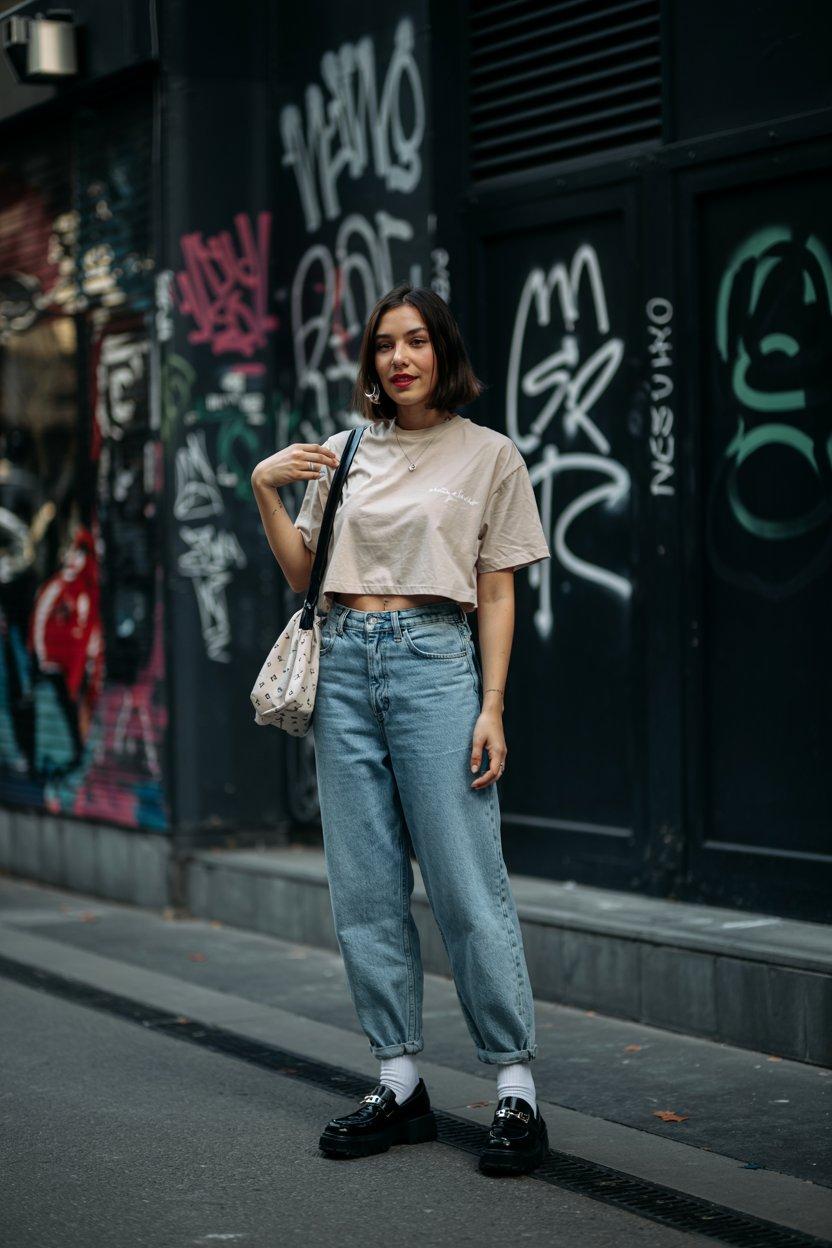
Okay so I was standing in line at a thrift store last Saturday — one of those chaotic weekend rushes where everyone’s elbowing past the denim rack — and I noticed this girl, maybe nineteen, twenty tops, wearing a baby tee tucked into these massive cargo pants with a butterfly clip holding back her hair. The whole thing looked like 2003 had a fever dream. And she looked absolutely, effortlessly, impossibly cool.
I stood there with my oat milk latte going cold and thought: Gen Z is doing something that fashion has never quite seen before. It’s not a trend. It’s a full-on cultural renegotiation.
“They’re not following fashion. They’re arguing with it.”
And honestly? I’m obsessed With
I grew up in the Y2K era. I had the low-rise jeans, the chunky highlights, the Von Dutch hat that I now deeply regret. When I see Gen Z bringing all of it back, there’s this strange bittersweet feeling — like watching someone wear your old diary as an outfit.
But here’s what I’ve noticed: they’re not wearing Y2K nostalgia the way we wore it. They’re wearing it with irony. They know exactly how ridiculous the butterfly clips are. They know the rhinestone belts are absurd. That’s entirely the point. There’s something almost academic about how they’ve excavated this era, dusted it off, and turned it into a statement about reclaiming early 2000s girlhood without any of the shame that came with it the first time around
Baby tees, low-waist everything, velour tracksuits, juicy metallics, tiny sunglasses, platform sneakers. The aesthetic is nostalgia plus self-awareness, and the combo is genuinely addictive to look at.
I’ve seen TikTok videos hit five million views overnight just because someone found an authentic Juicy Couture tracksuit at Goodwill for $4. Four dollars. The comments are chaos — jealousy, screaming, people offering to literally buy it off their body. The internet loses its mind over these moments in a way that feels almost spiritual.
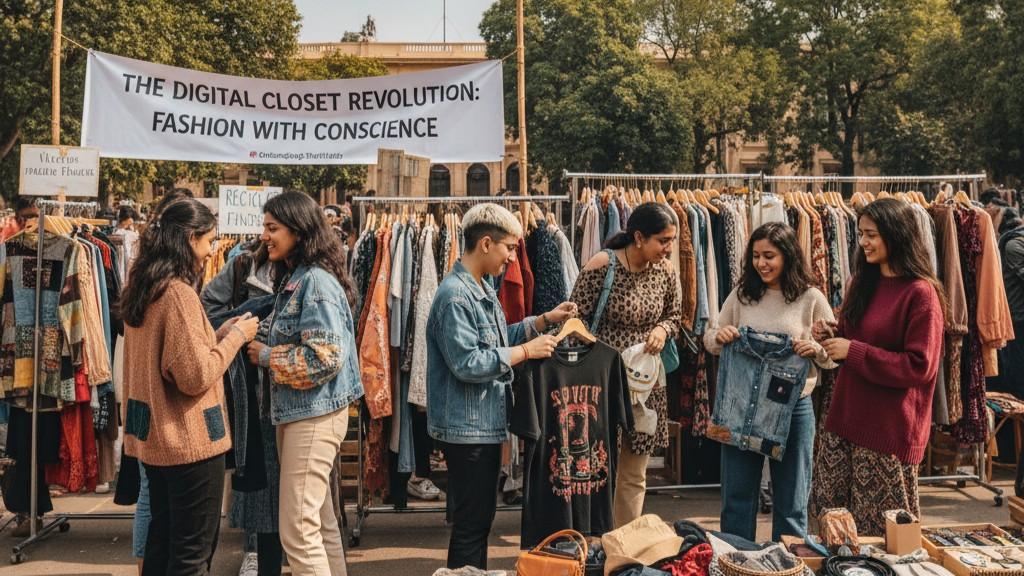
This one genuinely moves me, and I say that without exaggeration. I grew up in a household where thrift shopping wasn’t a choice — it was just life. There was a weird low-key shame around it when I was a teenager. You didn’t exactly shout about buying secondhand.
Gen Z flipped that completely upside down.
Thrifting is now a skill. A craft. I’ve seen kids on Instagram with entire aesthetics built around their thrift hauls — posting timestamps, tagging the Goodwill location like it’s a restaurant review, sharing “styling challenges” where they build an entire week of outfits for under fifteen dollars. It’s become a whole genre of content and honestly, it’s some of the most joyful fashion content on the internet.
What I find fascinating — and a little emotional, if I’m honest — is that this generation has stripped the class anxiety out of secondhand clothing and replaced it with pride. They’ve made sustainability feel aspirational instead of just virtuous. That’s a genuinely hard cultural trick to pull off, and they did it through sheer collective enthusiasm.
There’s also the environmental angle, which Gen Z doesn’t let you forget. Fast fashion guilt is real, and thrifting feels like a small act of rebellion against brands that churn out thousands of styles a week. It’s fashion as protest. Quietly, stylishly, extremely photogenically.
Can we just pause and appreciate how strange it is that for decades — literal decades — women were told that clothing should skim, cinch, nip, and tuck? That your silhouette was the whole conversation?
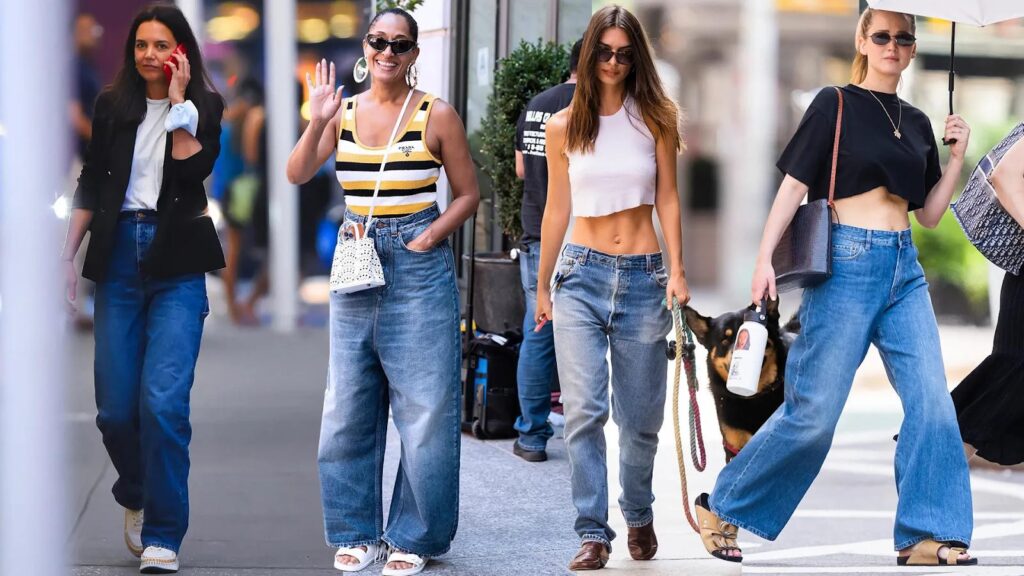
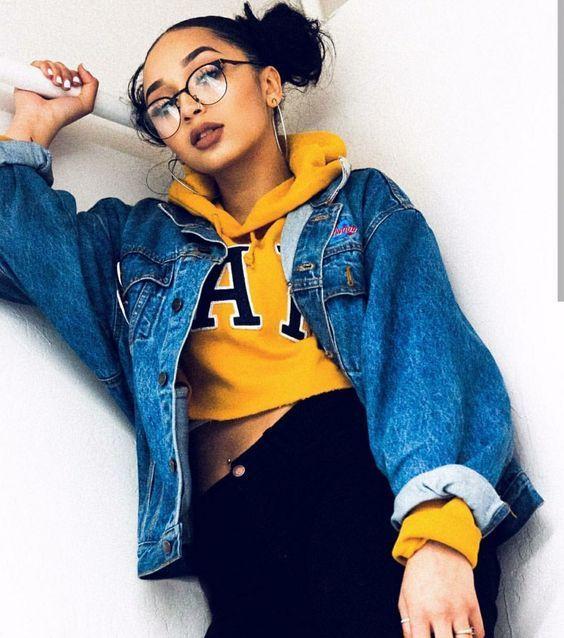
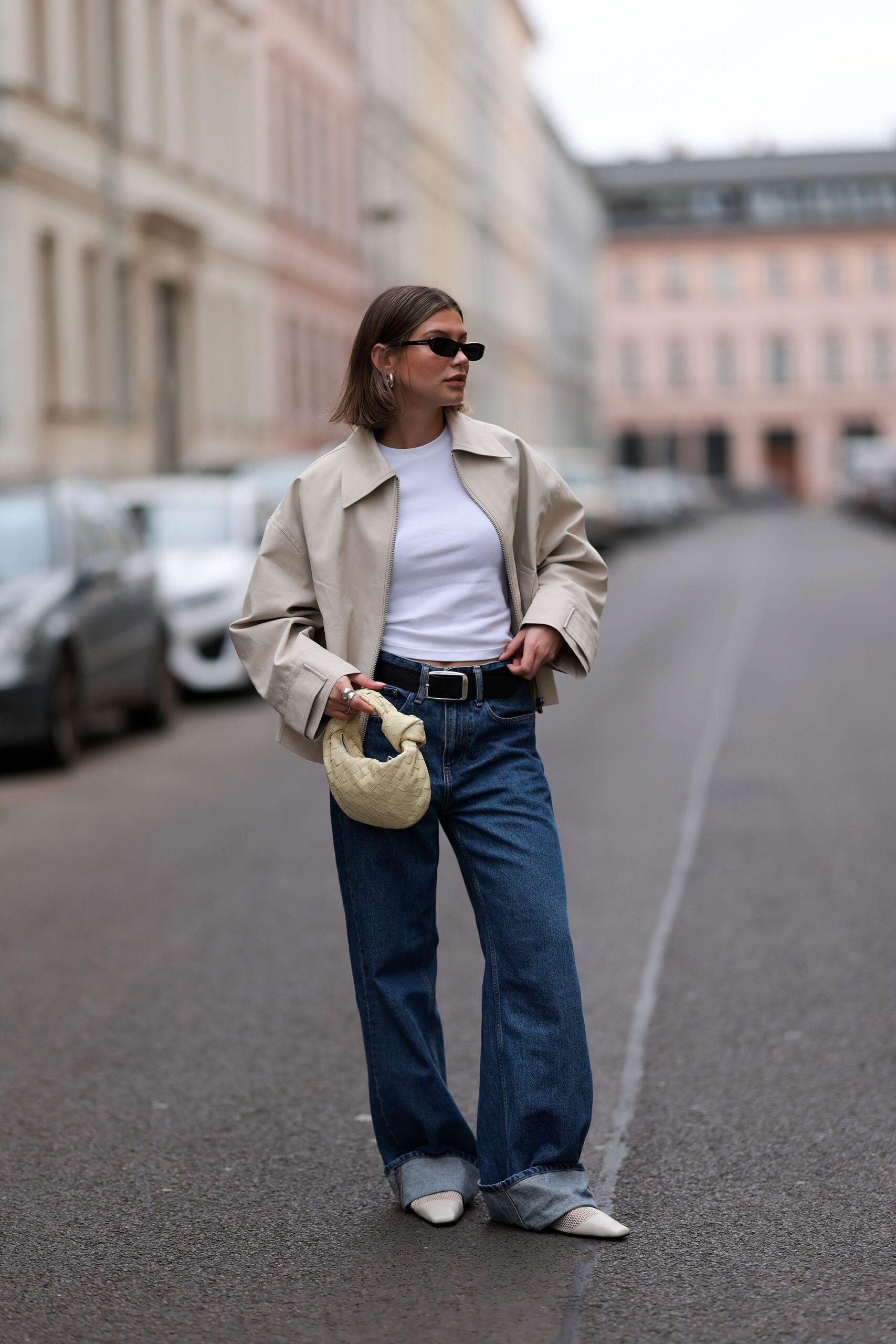
And then Gen Z walked in wearing their boyfriend’s hoodie three sizes too big, baggy wide-leg jeans pooling at their ankles, and just… reclaimed their bodies as something that doesn’t need to be optimized?
I’ve talked to younger friends about this. One of them told me she started wearing oversized clothes at seventeen not because of a trend but because she was tired of existing in her own skin as something to be evaluated. The big clothes felt like armour. Then she looked around and realized half her generation was doing the exact same thing — and somewhere along the way, the armour became an aesthetic, became a movement, became the dominant silhouette of an entire cultural moment.
Oversized isn’t lazy. It’s complicated. It’s a teenager asking to take up space without apology. And social media — for all its mess — actually documented that shift in real time, which I think future fashion historians are going to find really interesting.
Here’s a thing I genuinely could not have predicted ten years ago: the most influential fashion shows happening right now aren’t in Milan or Paris. They’re in a sixteen-year-old’s bedroom in Ohio with a ring light and a phone camera.
TikTok’s “Get Ready With Me” videos, Instagram’s outfit-of-the-day posts, Pinterest boards that go viral overnight — these are creating and killing trends faster than any fashion week schedule could keep up with. I’ve watched microtrends rise and fall in the span of two weeks. Two weeks. A trend that would’ve taken years to filter from a runway to a high street store now just… appears, peaks, becomes a meme, and dies before the month is out.
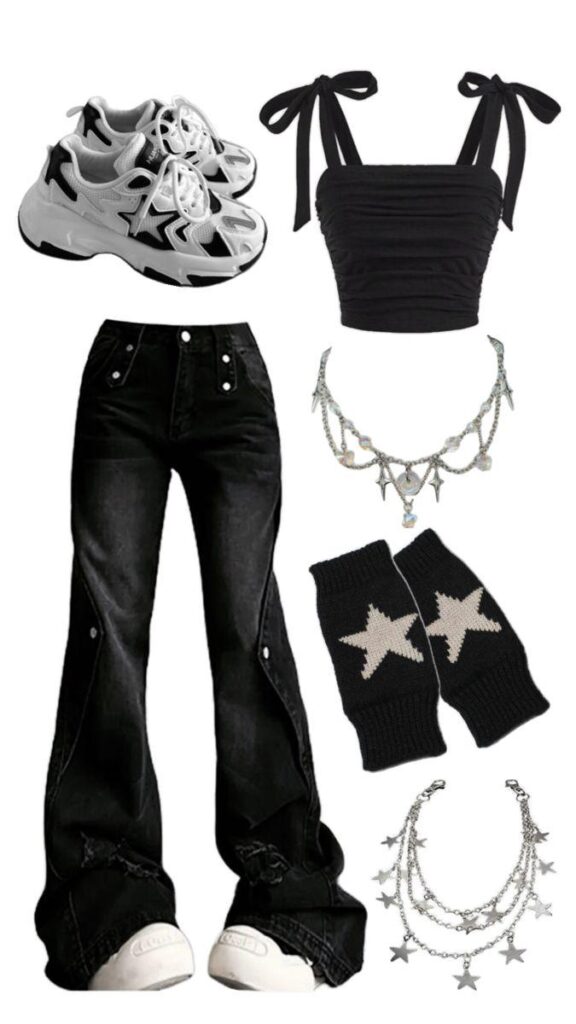
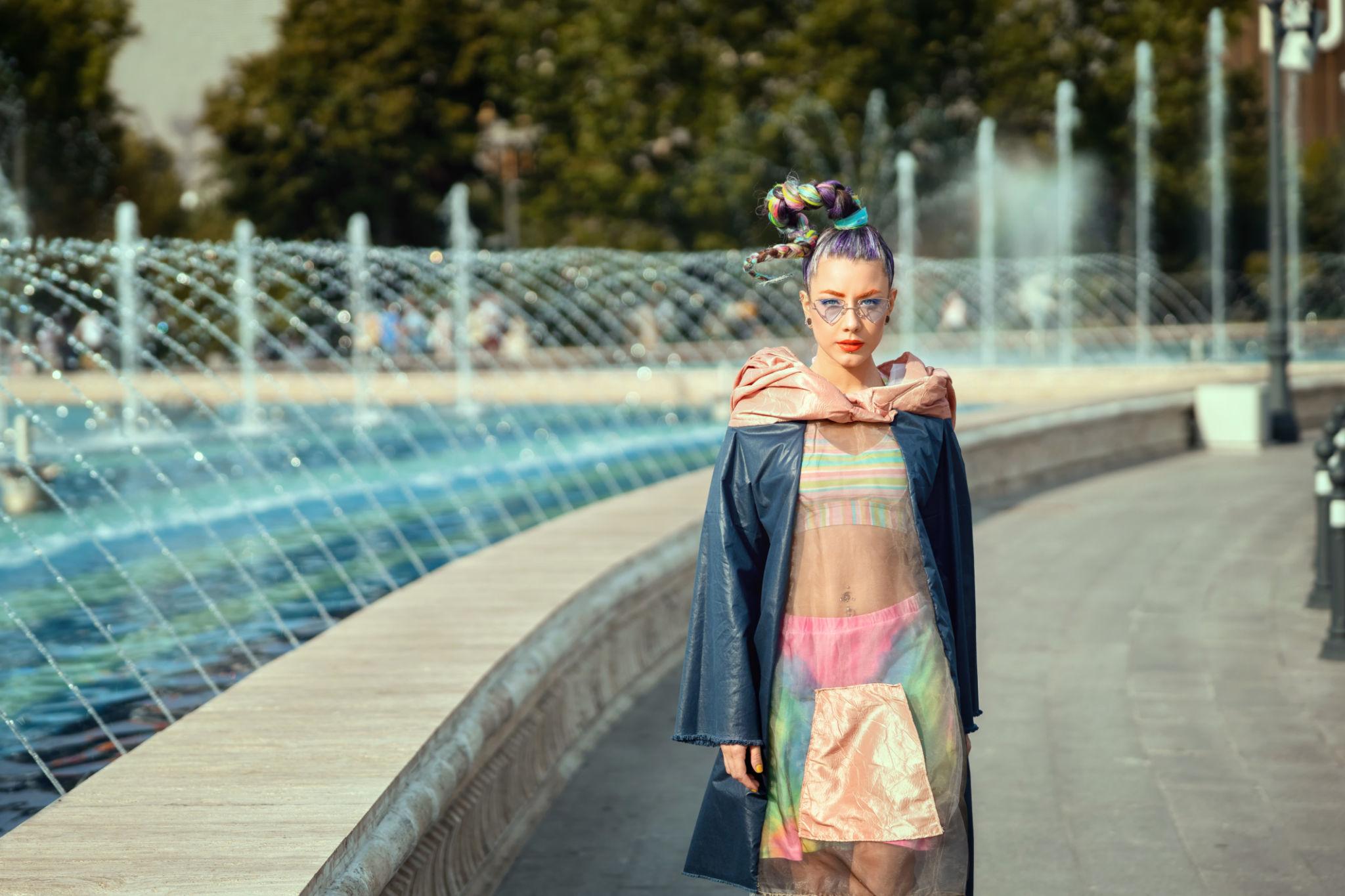
Coastal grandmother. Mob wife. Tomato girl summer. Clean girl aesthetic. Dark academia. Each one born online, named online, lived out online — and each one somehow meaning something real to the people who embraced it, even briefly
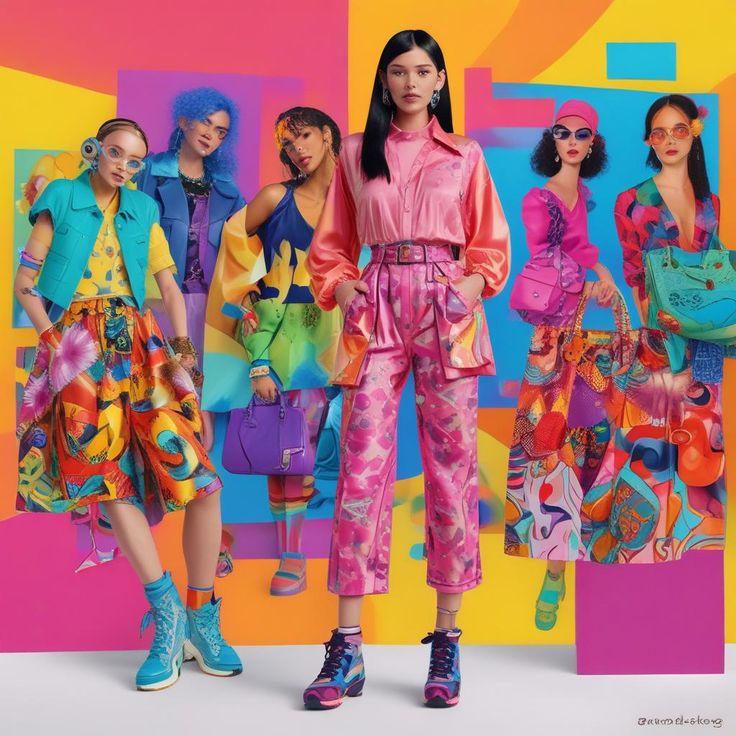
What I find wild is that these aesthetics have names now. “Cottagecore.” “Dark academia.” “Gorpcore.” Each one is a whole world — a set of references, a mood, a way of being in your body and in the world. They feel less like fashion categories and more like personality frameworks. Which sounds dramatic, but go look at any Dark Academia Pinterest board and tell me it doesn’t feel like a complete emotional universe.
Gen Z doesn’t dress to fit in. They dress to belong. Those are different things, and the internet is the space where they find their people.
What Gen Z is doing with fashion is genuinely something I don’t think we have the full language for yet. It’s simultaneously nostalgic and radical. It’s deeply personal and wildly communal. It’s ironic and sincere at the same time — which should be a contradiction but somehow isn’t.
I think about that girl in the thrift store a lot. The butterfly clip and the cargo pants and the total absence of trying-too-hard energy. She wasn’t performing fashion. She was just living inside it. And she had two hundred people stop her to ask about the outfit by the end of the day because she posted it at noon and it had three thousand likes before dinner.
That’s the thing about Gen Z fashion that breaks the internet — it’s not the clothes. It’s the fact that they’ve figured out how to wear meaning. Every oversized hoodie is a boundary. Every thrift haul is a value system. Every Y2K moment is a reclamation. Every outfit posted online is a small broadcast of self.
And I’m here, taking notes, desperately trying to find a butterfly clip that suits me at thirty-four. No luck yet. But I’m not giving up.