A working beauty editor’s honest field notes on what’s actually shifting in beauty, fashion, personal care and wellness right now — the stuff that will quietly take over your feed, your bathroom shelf, and your closet before the year is out.
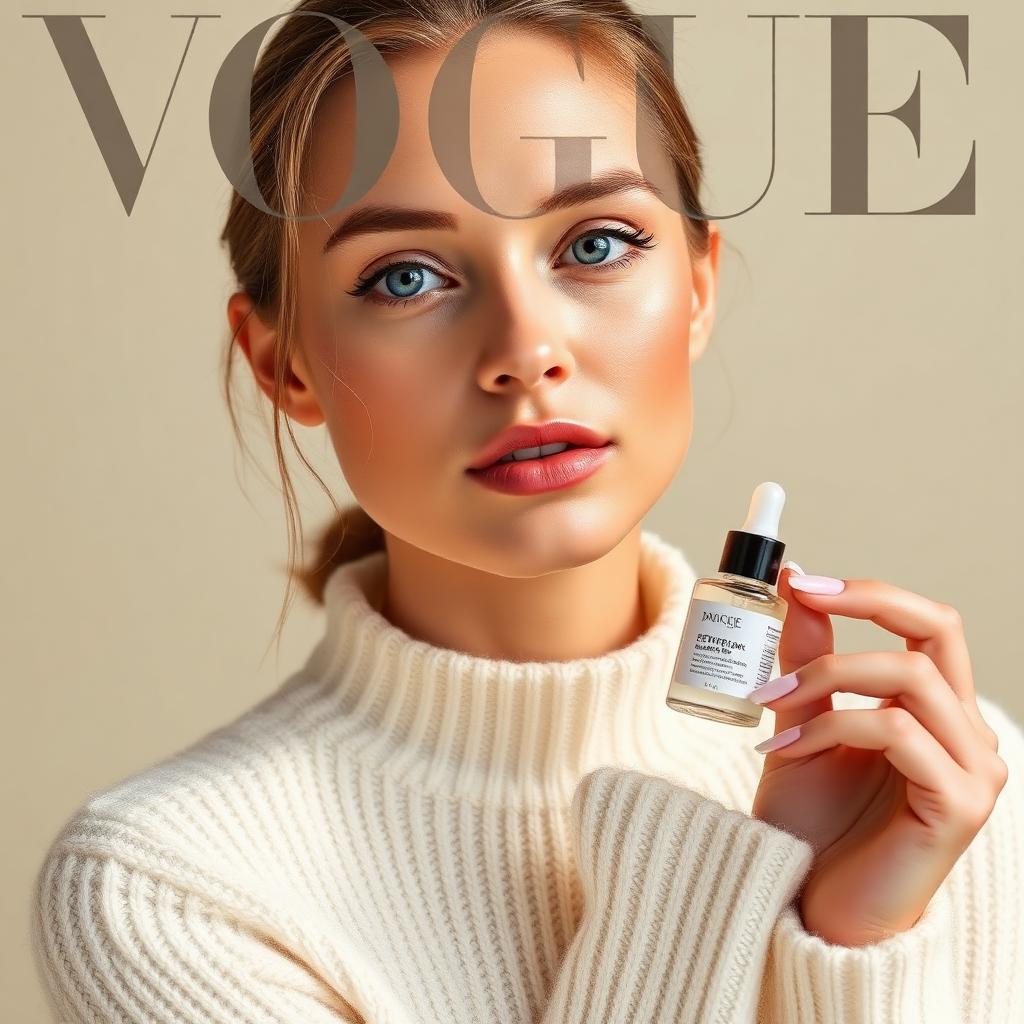
COVER STORY
Beauty & Fashion Trends 2026
THE SHORT ANSWER
The next six months in beauty and fashion are quieter, smarter, and far more personal. Expect AI-powered skincare, skin-first makeup, scalp serums, quiet luxury basics, resale-first wardrobes, and wellness rituals replacing multi-step routines — driven by people who want to look well, not just look done.
I started noticing something interesting around March. Every time I stepped into a beauty aisle, a boutique, or even a friend’s bathroom, the same quiet shift kept showing up. Fewer products. Softer packaging. People talking about “skin days” and “hair health” the way they used to talk about contouring. At first, I thought it was just another trend. But then I kept seeing it everywhere — in Seoul, in Milan, on the F train in Brooklyn, on the “for you” page of a 17-year-old and the vanity of a 42-year-old marketing director.
Here’s the thing. The last five years of beauty were loud. Contour palettes, overlined lips, fifteen-step routines, dopamine dressing, everything glossed and filtered and shouting. What’s coming next is the opposite of that. It’s quieter, more considered, and — if I’m being honest — a lot more emotional. People aren’t just buying products anymore. They’re buying a feeling. Calm. Control. Ease. Permission to look like themselves.
Below are the seven trends I’ve watched harden into real movements over the past few months, based on the events I’ve attended, the founders I’ve interviewed, the receipts I’ve collected, and the conversations I keep having with real women (and, increasingly, men) about what they actually want on their face, their body, and their back.
01
BEAUTY TRENDS
Short answer: yes, and it’s the first time I mean that. AI skin analysis tools are finally accurate enough to build a routine you’ll actually stick with — because it’s yours, not a magazine’s.
A friend of mine — 34, sensitive skin, a decade of trial and error — showed me the results of an AI scan she’d done at a Sephora kiosk. It identified signs of dehydration under her eyes, mild barrier damage on her cheeks, and clogged pores along her jawline. She’d been treating all of it as “hormonal breakouts” for three years. She switched three products, and six weeks later her skin looked like she’d taken a vacation.
That’s the shift. Personalized formulations, virtual beauty assistants, custom serums printed to your exact concerns — brands like Proven, Skin Genius, and the newer wave of Korean AI diagnostic apps have moved this out of gimmick territory. What surprised me most was how much people trust it. An algorithm feels neutral in a way a salesperson never quite does.
02
MAKEUP
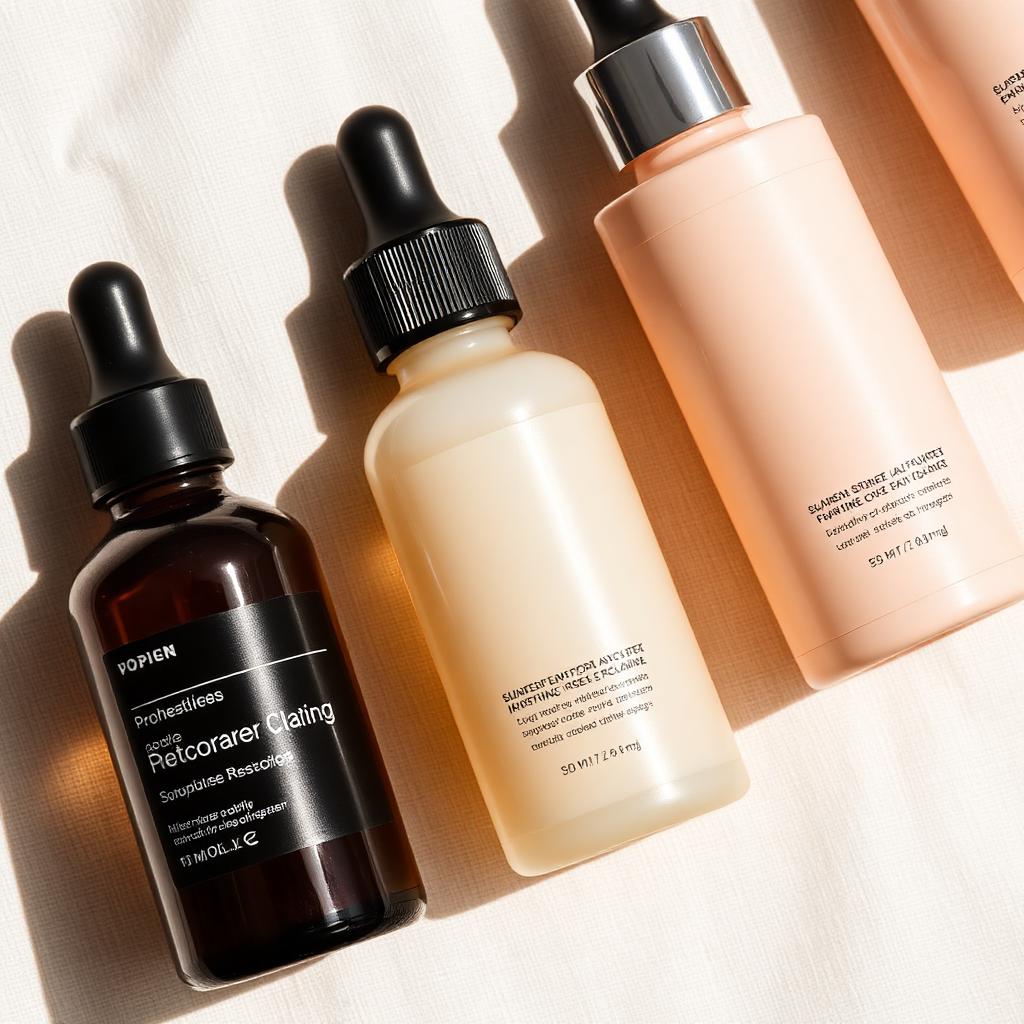
Because “healthy skin” has become the aesthetic. Tinted SPFs, skin tints, cream blushes and lip oils have replaced full-coverage foundation for a huge slice of women 18–45.
Let’s be honest — nobody misses the sixty-dollar matte foundation that settled into every fine line by 4pm. The new hero product is a tinted SPF that evens you out, protects you, and leaves your face looking like you slept eight hours. Brands like Ultra Violette, Saie, and Merit made this the default. Even Chanel and Dior have quietly reformulated their bases to feel lighter.
The deeper reason isn’t beauty, though. It’s fatigue. Women I talk to are exhausted by the amount of maintenance the internet asked of them for a decade. Skin-first makeup gives people permission to look good in seven minutes and get on with their lives. That’s not a trend. That’s a mood.
03
SUSTAINABLE FASHION
Not entirely — but resale, rental and repair have officially gone mainstream. Vinted, Vestiaire, The RealReal and Depop are shaping wardrobes more than any fast fashion brand right now.
I was in a small vintage store in Lisbon last month and the woman in front of me — mid-twenties, tote bag, quietly stylish — spent forty minutes picking one linen jacket. She told me she hasn’t bought anything new in eighteen months. Not out of guilt. Out of taste. “New stuff feels cheap now,” she said, and I’ve been thinking about that sentence ever since.
The emotion driving this isn’t sustainability slogans. It’s the desire to own things that mean something. Circular fashion, resale-first wardrobes, investment in one good coat instead of five bad ones — the shift feels bigger than people realize. The status symbol isn’t the newest piece anymore. It’s the one that has a story.
04
OUIET LUXURY
Because quiet luxury didn’t die with the Sussexes — it evolved. Elevated basics, timeless tailoring, and investment dressing are now the aesthetic default for women (and men) 25 to 45.
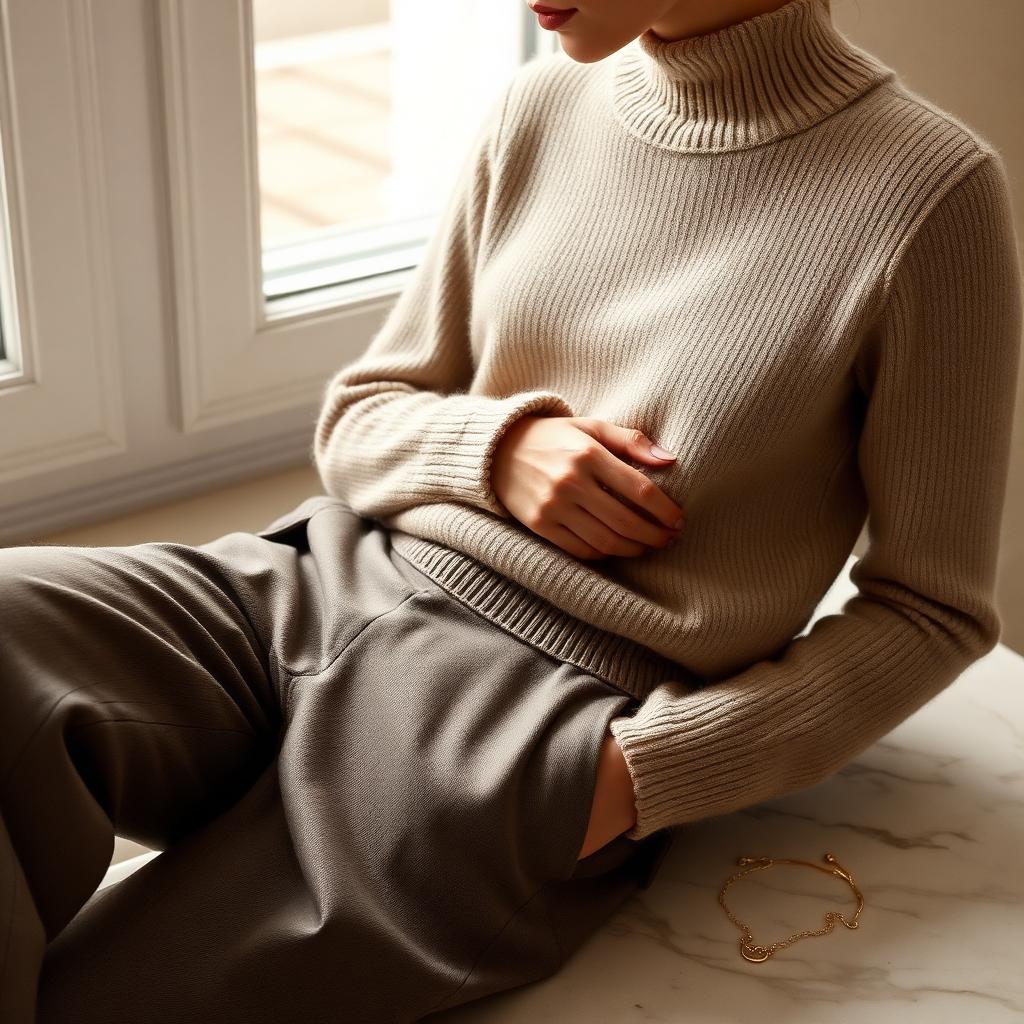
The Row, Toteme, Khaite, Lemaire, and — quietly — a lot of unbranded vintage. The uniform is a good white t-shirt, a beautiful pair of trousers, a coat you’ll still wear in ten years. Logos are out. Fit is in. Fabric is everything.
People are craving simplicity right now because everything else feels overwhelming. The news is loud. The internet is loud. Getting dressed shouldn’t be. Quiet luxury is really just a fancy way of saying “I want to feel calm in what I’m wearing.”
05
WELLNESS & SELFCARE
Personal care is no longer separate from mental health. Sleep, stress and nervous-system regulation are officially part of the beauty conversation — and product routines are shrinking because of it.
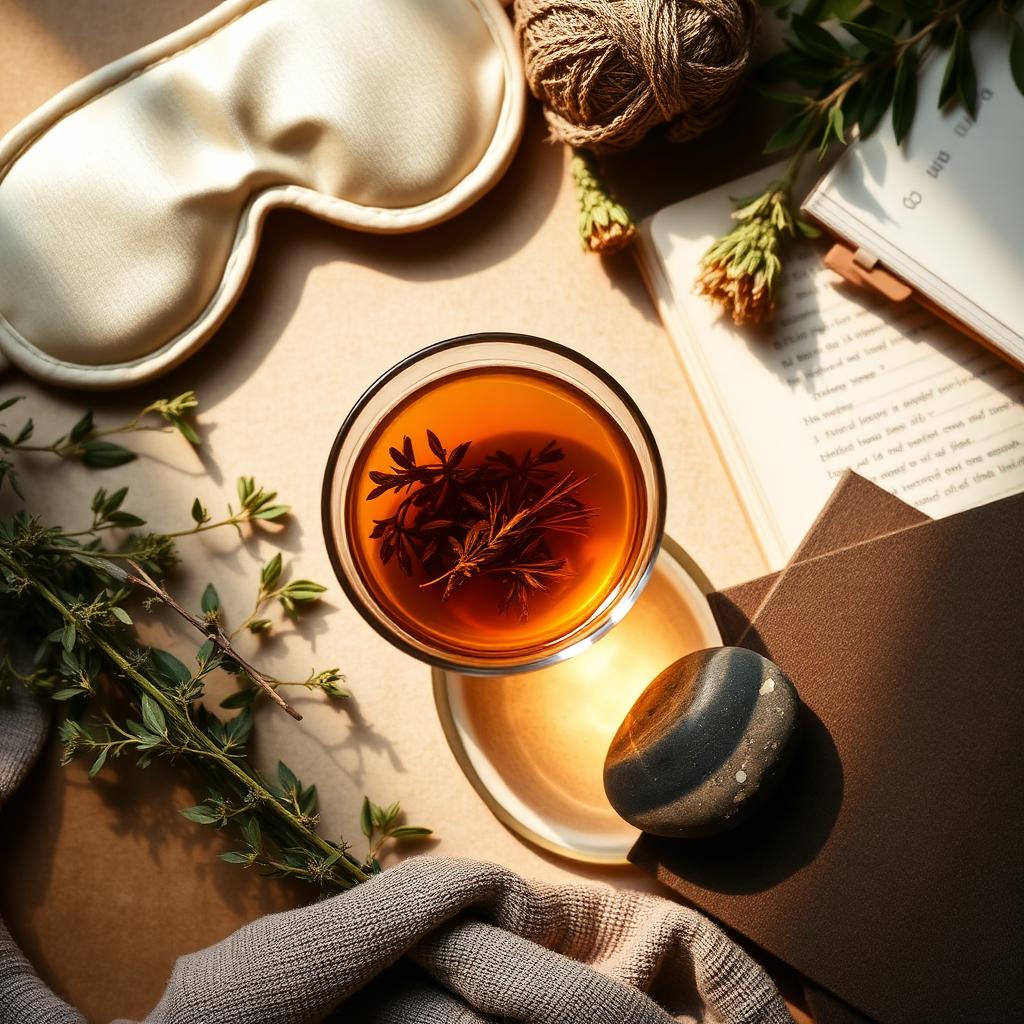
Magnesium sprays on nightstands. Mouth tape (yes, really). Silk pillowcases treated like skincare. Adaptogenic teas next to the retinol. Cortisol has become the beauty industry’s favorite word, and honestly? It deserves it. I’ve watched more of my friends drop from ten-step routines to five over the past year, not because they got lazy, but because they finally understood that a good night’s sleep does more than any serum on earth.
Beauty from within isn’t a supplement pitch anymore. It’s a whole worldview. The women I know who look best right now aren’t the ones with the most products. They’re the ones who sleep, walk, hydrate, and — this is important — protect their nervous system like it’s a designer bag.
06
PERSONAL CARE
Yes — and it’s the fastest-growing category in beauty right now. Scalp serums, exfoliants, and growth treatments are outselling traditional conditioners in some markets for the first time.
Nobody talked about their scalp five years ago. Now there are entire brands built on it — Act+Acre, K18, Divi, Vegamour, the resurgence of Nioxin. Post-pandemic hair loss, chronic stress, over-styling, harder tap water — all of it collided at once, and the industry finally noticed that hair health starts where hair grows.
What I love about this category is that it offers genuine, practical value. Not a trend for the sake of it. Scalp massages, gentle exfoliation, rosemary oil (yes, TikTok was right about that one), peptide serums — this is one of those rare moments where the internet’s obsession actually matches the science.
07
CONSUMER BEHAVIOUR
Increasingly, yes. Reddit threads, niche TikTok communities, and long-form user reviews are shaping purchasing decisions more than sponsored posts — especially for anyone under 35.
I can’t remember the last time a friend of mine bought something because a creator held it up on Instagram. But I can name six products they bought because r/SkincareAddiction or r/30PlusSkinCare told them to. The trust has shifted. It moved away from polished individuals and toward messy, honest, collective opinion. And once trust moves, it doesn’t move back easily.
Brands that get this are winning quietly. They show up in communities as humans, answer real questions, send products without expecting a post, and let the review do the marketing. The old influencer economy hasn’t collapsed — it’s just no longer the whole map.
A FINAL THOUGHT
The more I watch this industry, the more I realize it isn’t really about products anymore. It’s about the quiet moment a woman looks in the mirror and, for the first time in a long time, actually likes what she sees back.
The trends of the next six months — AI skin scans, quiet luxury, scalp serums, resale — they all point to the same thing. People are done performing beauty. They want to live in it. They want their morning to feel calm, their wardrobe to feel like theirs, their skin to feel like skin. Beauty is becoming less about trends and more about identity — about who you are on a Tuesday morning with no one watching. And honestly? That’s the most interesting shift I’ve covered in fifteen years.
READERS QUESTIONS
What one product defines the next six months?
A high-quality tinted SPF. It captures everything — skin-first beauty, minimalism, protection, and the desire to look well rather than done.
Is quiet luxury still a fashion trend in 2026?
Yes — but it’s matured. It’s less about logo-free wealth signaling and more about investment basics, resale, and pieces that last a decade.
Why is scalp care suddenly everywhere?
Post-pandemic hair loss, chronic stress, and better science around the follicle finally aligned. Scalp health is now understood as the root of hair health.
Are influencers still worth following for beauty?
Some absolutely. But real purchasing decisions are increasingly driven by Reddit threads, TikTok community consensus, and long-form user reviews.
What are the biggest beauty trends of 2026?
AI-personalized skincare, skin-first makeup, scalp care, wellness-led routines, and a shift from influencer marketing toward community-led reviews.