Are air stylers tool quietly replacing the straightener?
I’ve watched a generation cook their hair into submission for the sake of “sleek.” Something is finally shifting — and your ends are going to thank you.
TL;DR
- Air styling tools use airflow + gentle heat instead of crushing plates.
- Average user reports less frizz, more shine, fewer split ends after 4–6 weeks.
- Dyson Airwrap started the wave; Shark, Revlon, and Laifen made it affordable.
- Best for: fine, color-treated, curly, wavy, and damaged hair.
- Straighteners still win for: pin-straight formal looks and very coarse, resistant hair.
- The future is hybrid — smart sensors, lower temps, and heatless overnight styling.
The smell I'll never forget
The first time I truly realized how badly I had damaged my hair, I was nineteen and sitting in a salon chair in a small town near Manchester. My stylist picked up a section of my hair, held it up to the light, and suddenly fell silent. After a moment, she looked at me and said, “Love, this barely counts as hair anymore—it’s more like tinder.” For years, I’d been running scorching-hot straighteners over my strands every single morning, often when my hair was still slightly damp and without any heat protection because I was always rushing. Somewhere along the way, I’d convinced myself that frizz was something to be ashamed of, and smooth, perfectly straight hair felt less like a style choice and more like a requirement.
That faint scent — a mix of sweetness and something slightly burnt, almost like popcorn — is actually the smell of your hair’s keratin proteins breaking down.I’ve smelled it on hundreds of women since. In dorm bathrooms. In wedding suites. In my own kitchen at 7 a.m. We accepted it as the cost of looking “put together.” And for two decades, we had no real alternative.
Now we do. And honestly? The shift in how my friends, my readers, and the strangers in line at Sephora are styling their hair is one of the most quietly emotional beauty stories of the decade. We’re choosing our hair back.
Why traditional straighteners are losing their grip
Flat irons had a 25-year monopoly. They were cheap, fast, and gave you the one look every magazine cover sold us between 2002 and 2015: glass-flat, side-parted, slightly soulless. But three things shifted underneath them.
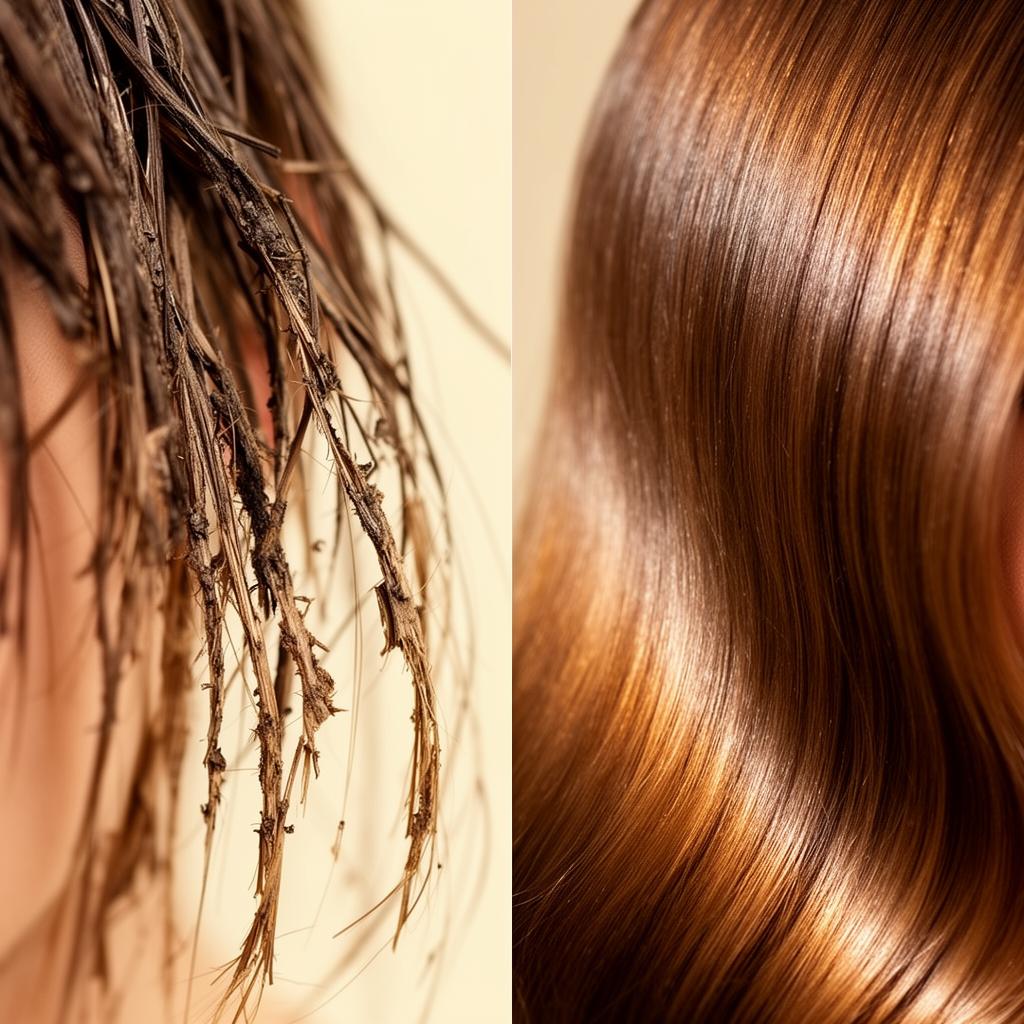
First, science caught up. Trichologists have been screaming about thermal damage for years — at temperatures above 175°C, the hydrogen bonds in your cuticle fracture, and at 215°C, you’re literally melting keratin. Most flat irons run hotter than that. By default. With no protection.
Second, the textured-hair renaissance. A whole generation grew up watching their mothers fight their natural curl pattern with a 1-inch plate. They decided, collectively, that they didn’t want to. Air styling tools don’t force hair into one shape — they coax it.
Third, the Airwrap moment. When Dyson launched the Airwrap in 2018, it felt like a gimmick. A $600 hair tool? Please. But it worked. It used the Coanda effect — the same physics that keeps planes in the air — to wrap hair around a barrel without ever touching a hot surface. By 2024, every major brand had a Dyson Airwrap alternative on shelves, and the cultural permission slip was signed: maybe we don’t have to fry ourselves anymore.
Air styler vs straightener: an honest comparison
Let’s stop being vague. Here’s what actually happens to a section of hair in both tools, based on what I’ve watched in salons and tested at home.
| Factor | Air Styler | Traditional Straightener |
|---|---|---|
| 🔥 Average Heat | 120–150°C | 200–230°C |
| ✨ Damage to Hair Cuticle | Minimal — airflow helps protect hair | High — direct hot plate contact |
| 💎 Hair Shine After 30 Days | Often visibly improved | Can become dull over time |
| 🎨 Styling Versatility | Straight, wavy, curly, blowout styles | Primarily straight styles |
| 📚 Learning Curve | 1–2 weeks to master | Almost none |
| 👩🦰 Best For | Most hair types, daily styling, healthier routines | Pin-straight formal looks |
| 💰 Average Price Range | $150–$600 | $30–$300 |
The benefits no one shuts up about (for good reason)
I’ve heard the same conversation in every group chat I’m in. “My hair is… different?” “It’s growing again.” “My ends aren’t crunchy.” It’s not placebo. Here’s what air styling tools actually deliver:
1. Real hair damage prevention
Lower temperatures plus airflow means cuticles stay closed and flat. Closed cuticles reflect light — which is why your hair literally looks shinier after a week of switching. You’re not gaining new hair; you’re stopping the destruction of what you have.
2. One tool, every look
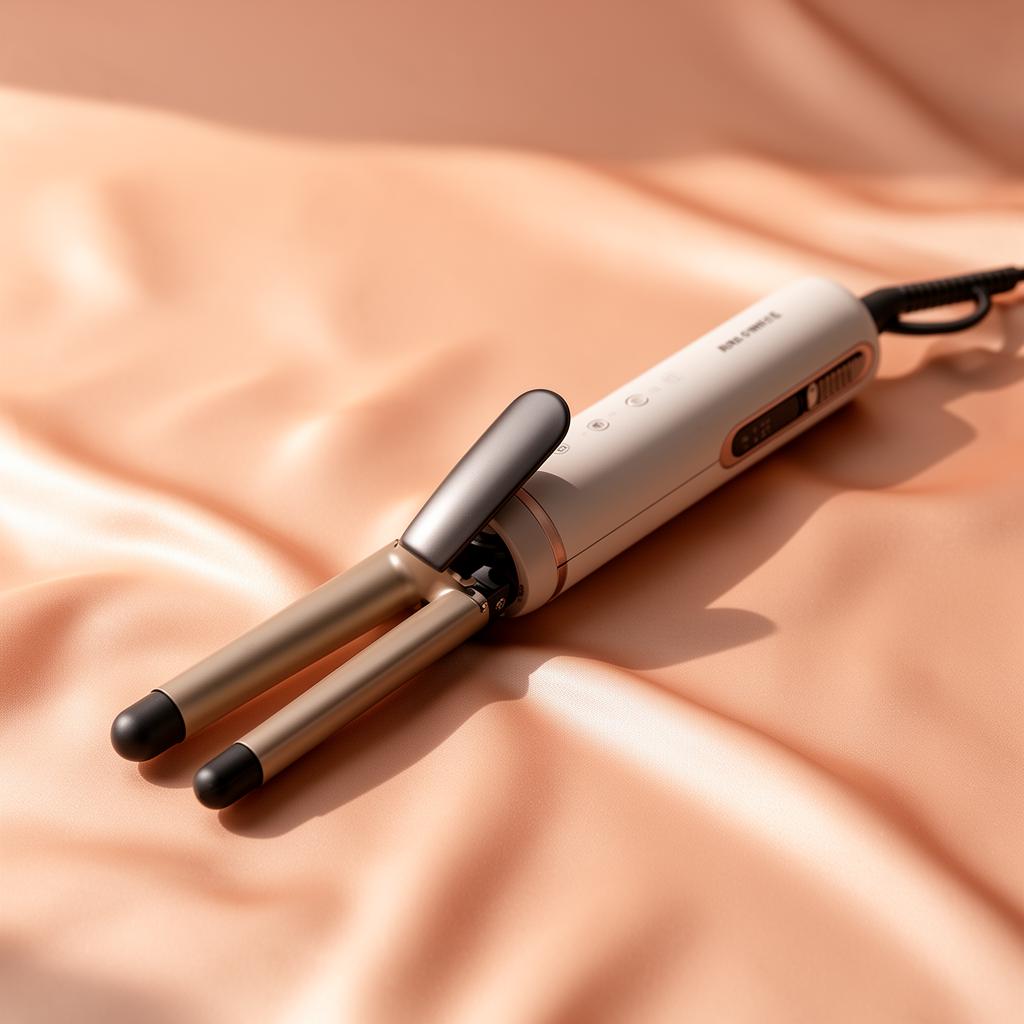
A modern blowout styling tool can swap attachments — round brush, oval brush, curling barrel, smoothing nozzle — so the thing on your bathroom counter replaces three or four old tools. Less clutter. Less decision fatigue at 6:45 a.m.
3. Confidence that doesn't cost you ends
This is the part I get emotional about. Hair is identity. When my reader Priya emailed me to say she’d cried the first time she ran her fingers through her hair without them catching on broken pieces, I cried with her. That’s what healthy hair styling actually sounds like — relief.
Which hair types benefit the most
Not all hair needs the same rescue. Here’s who, in my experience, sees the biggest shift within the first month of switching to modern hair tools.
Fine or thinning hair
Fine hair snaps at the mid-shaft under plates. Airflow styling preserves length and actually adds the volume fine hair craves — the airflow lifts the root in a way irons simply can’t.
Color-treated hair
Bleach and high heat are sworn enemies. If you’ve invested in balayage or a vivid color, an air styler protects your investment. Your colorist will know within one appointment.
Wavy and curly hair (2A–3B)
This is where air styling tools genuinely outperform straighteners. A diffused round brush smooths frizz without flattening your pattern. You get an enhanced version of your own hair, not a fight with it.
Already heat-damaged hair
If you’re in recovery mode, this is the gentlest active styling option short of full heatless hair styling. Pair it with overnight silk-scrunch waves on rest days, and your ends will catch up.
When the straightener still wins
I’m not here to tell you to throw your flat iron in the sea. I still own mine. Here’s when it earns its space in the drawer:
- Razor-flat, glassy hair for weddings, red carpets, the photo you’ll keep forever. Air stylers don’t quite get there.
- Very coarse, resistant hair that won’t smooth with airflow alone. A single mid-temp plate pass can finish the job.
- Travel. A slim flat iron is still the most packable tool on earth.
- Touch-ups on a second-day style — quick, targeted, done.
The point isn’t abolition. It’s de-throning. The straightener used to be the default tool you reached for every single morning. Now it’s the specialty tool you reach for occasionally. That alone changes the trajectory of your hair.
Where hair styling is heading next
If you speak with experts behind today’s hair styling tools, you’ll hear the same focus repeated time and time again: smart heat sensors, sustainable materials, and softer, healthier styling results. The next generation of modern hair tools won’t ask you to pick a temperature — they’ll read your hair’s moisture level and pick it for you. Some prototypes I’ve held this year measure individual strand thickness in real time. We’re months away from tools that simply refuse to overheat your hair, even if you try.
Heatless hair styling is having a parallel moment, too. Silk rollers, Octocurl rods, those satin-wrapped foam tubes your mom would recognize — all of it has come back, because Gen Z made it cool to sleep in your style and wake up with it. I love that, for the obvious reason: zero damage. None.
The future, honestly, is hybrid. Air styler for the everyday. Heatless for rest nights. Flat iron in the drawer for the big occasions. A rotation. A relationship. Not a daily sacrifice.
Frequently asked questions
Are air styling tools actually better than traditional straighteners?
For most people, yes — at least when it comes to long-term hair health. Air styling tools use high-velocity airflow and lower temperatures (typically 150°C / 300°F vs. 230°C / 450°F for flat irons), which dramatically reduces protein damage, cuticle lifting, and dryness while still creating polished styles.
Can an air styler give me pin-straight hair like a flat iron?
Not quite the glassy, ruler-flat look. Air stylers create smooth, sleek, blowout-straight hair with natural movement. If you genuinely need that razor-flat finish for a special event, a ceramic straightener still has an edge — but you'll pay for it in moisture and shine.
What's the best Dyson Airwrap alternative?
Shark FlexStyle, Revlon One-Step, Drybar The Double Shot, and Laifen Swift Special are the most-recommended Dyson Airwrap alternatives in 2025. They use the same Coanda-effect airflow principle at a fraction of the price
Are air stylers safe for fine or thinning hair?
Yes, and arguably better than hot tools. Lower heat plus airflow means less breakage at the fragile mid-shaft, which is exactly where fine hair tends to snap under a flat iron
THE LAST WORD
Your hair has waited a long time for you to be kind to it.
I think about that nineteen-year-old in the Manchester salon a lot. I wish I could go back and tell her that the version of beautiful she was trying to burn herself into wasn’t the only one — that one day she’d run a brush through her own hair and not flinch. That’s what air styling tools really offer. Not just a smoother finish or a cleverer barrel. A way back to your own hair, with all its texture and shine and personality intact. Thinking about the switch? This is the push you’ve been waiting for. Your ends will catch up. Your confidence will follow. And the next time someone compliments your hair, you’ll get to say the thing I love hearing most: it’s mine. It’s just mine.