The Skin Report · June 2026
Glass Skin Is Over?
The new skin trends taking over Google in 2026.
I’ve spent six years writing about beauty. And honestly? I’m a little relieved we’re finally tired of looking like a wet window.
The first time someone told me my skin looked “like glass,” I almost cried in a Sephora. It was 2019. I had just spent forty-three minutes layering a toner, an essence, a serum, an ampoule, a moisturizer and something called a “glow drop” that smelled like wet pennies. My cheeks reflected the overhead light like a freshly mopped floor. I felt chosen.
Seven years later, I’m sitting in my kitchen with a cracked tub of plain ceramide cream and a single drop of squalane, and my skin has never looked better. Funny how that works.
If you’ve been on TikTok, Pinterest, or anywhere near a Google search bar in the last six months, you’ve probably felt it too — that quiet collective exhale. The glass skin era, the one that asked us to be dewy and flawless and reflective at all times, is wrapping up. Something softer is moving in.
So, is glass skin really over?
Yes and no. Glass skin isn’t dead so much as it’s been de-throned. People still want healthy, hydrated skin — of course they do. But the obsession with looking polished and reflective 24/7? That part is quietly being shown the door.
I noticed it first in my own bathroom. I’d open my cabinet, see fourteen half-used bottles, and feel a small, expensive shame. Then I’d scroll through skincare TikTok and see a 22-year-old crying about a compromised barrier she got from doing “the routine” everyone told her to do. That’s when I knew something had to shift.
Search interest tells the same story. Searches for new skin trends 2026 have climbed steadily since January. People are asking, in plain words: is glass skin over? And the algorithm, for once, is giving them an honest answer. Yes. Sort of. Move on.
The 5 skin trends quietly taking over 2026
These aren’t marketing inventions. They’re what I’m actually hearing — from my friends, from facialists, from the comment sections of every skincare creator who’s ever made me feel seen.
1. Butter Skin — soft, not shiny
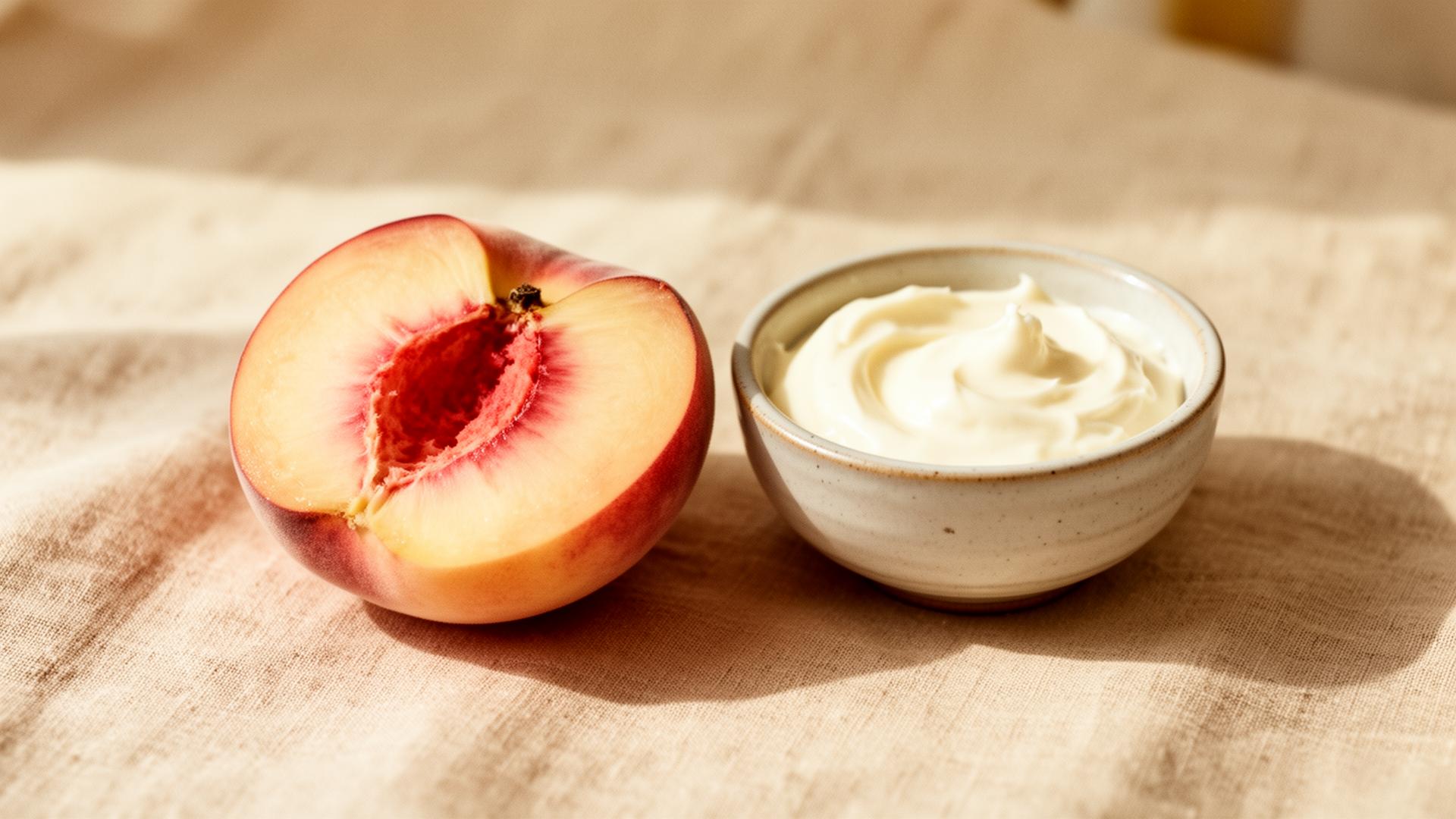
The butter skin trend is what happens when glass skin grows up and stops trying so hard. Instead of reflective shine, the goal is a warm, melty, “just-pressed-cream” finish. Think: skin that looks like it’s been kissed by good lighting, not coated in a topcoat.
My friend Tasha — who has truly never trusted a trend in her life — texted me last month: “Babe, I think I’m butter skin now.” She’d switched from three serums to one moisturizer and a balm. Her skin looked like a soft peach. I was furious in a loving way.
2. Skin Minimalism — the great unsubscribe
Skin minimalism is the burnout response we needed. After years of twelve-step routines, people are deleting half their shelf and feeling better for it. Cleanser. Moisturizer. SPF. Maybe a retinoid two nights a week. That’s the whole bit.
I cancelled my serum subscription in March. I expected my skin to riot. It did the opposite — it calmed down. Turns out, asking your face to absorb nine actives every night is a lot like asking a houseplant to eat steak.
3. Blurred Skin — the new aesthetic
The blurred skin aesthetic is what your skin looks like through a slightly fogged window: soft focus, low contrast, almost painterly. It’s the opposite of HD. Pores exist. Lines exist. They’re just… softer.
Makeup brands are catching on quickly — blurring primers, second-skin tints, balms that diffuse rather than cover. But the real movement is happening in how we photograph ourselves. Less ring light, more morning window. Less filter, more grain.
4. Skin Texture Acceptance — pores have rights
The natural skin texture trend might be the most quietly radical thing on this list. For the first time in a decade, people are posting close-ups of their actual face — freckles, peach fuzz, the little bumps along the jaw — and the comments are kind.
I remember being nineteen and crying over a blackhead. Now I see women in their thirties — and twenties, and forties — posting unedited selfies with captions like “just my face, hi.” It’s such a small thing. It’s also enormous.
Texture isn’t a flaw to correct. It’s a sign that the thing on your face is alive.
5. Barrier-First Skincare — protect before you perfect
If 2024 was about actives and 2025 was about peptides, 2026 is about the unsexy hero underneath it all: your skin barrier. Ceramides. Cholesterol. Fatty acids. Oat. Squalane. Boring on paper. Quietly life-changing on skin.
I see it in the DMs I get most weeks: “Mira, my skin is burning and I don’t know why.” Nine times out of ten, the answer is the same — you’ve been exfoliating like it’s a personality trait. Put the acid down. Pick up the cream. Wait two weeks. Cry happy tears.
The skincare burnout nobody warned us about
Here’s the part I think we don’t talk about enough: chasing glass skin was exhausting. Financially. Mentally. Spiritually, even, if you’ve ever stood in front of a mirror at 11 p.m., bone tired, patting in essence number four because a stranger on the internet said you should.
I have a folder on my phone called “skin progress.” The photos from 2021 are bright and reflective and somehow… anxious. The ones from this spring are softer. Less filtered. My skin isn’t better necessarily. But I am.
That’s the real shift behind every search query, every viral minimalist routine, every “glass skin is over” headline. We stopped wanting perfect. We started wanting peace.
What a 2026 skin routine actually looks like
If you want the honest, deeply uncool version of a future-proof routine, here it is:
- Morning — gentle cleanser (or just water), a barrier moisturizer, SPF. That’s the whole sentence.
- Evening — a milky cleanser, the same moisturizer, and two or three nights a week, a low-strength retinoid if your skin tolerates it.
- Weekly — one mask, but only if it feels like a ritual, not a chore. Otherwise: skip it.
- Always — sleep, water, and a phone-free hour before bed. Boring. Effective. Free.
You don’t need the seventeenth serum. You probably need the eighteenth glass of water and the fourth early night this week.
We’re not chasing flawless anymore
I’ve been writing about beauty long enough to watch trends eat each other every few years. Matte. Glow. Glass. Glazed. Now butter, blurred, minimal, bare. If you squint, it can look like noise.
But underneath all of it, I think something genuine is happening. We’re starting to let our faces be faces again. We’re letting our skin look like skin — warm, soft, textured, alive. We’re asking less of it, and somehow, it’s giving more back.
Glass skin promised perfection. Butter skin, blurred skin, barrier-first skin — they promise something quieter and a little harder to sell: that you’re allowed to look like a person.
And maybe that’s the real trend of 2026. Not a finish. A feeling.